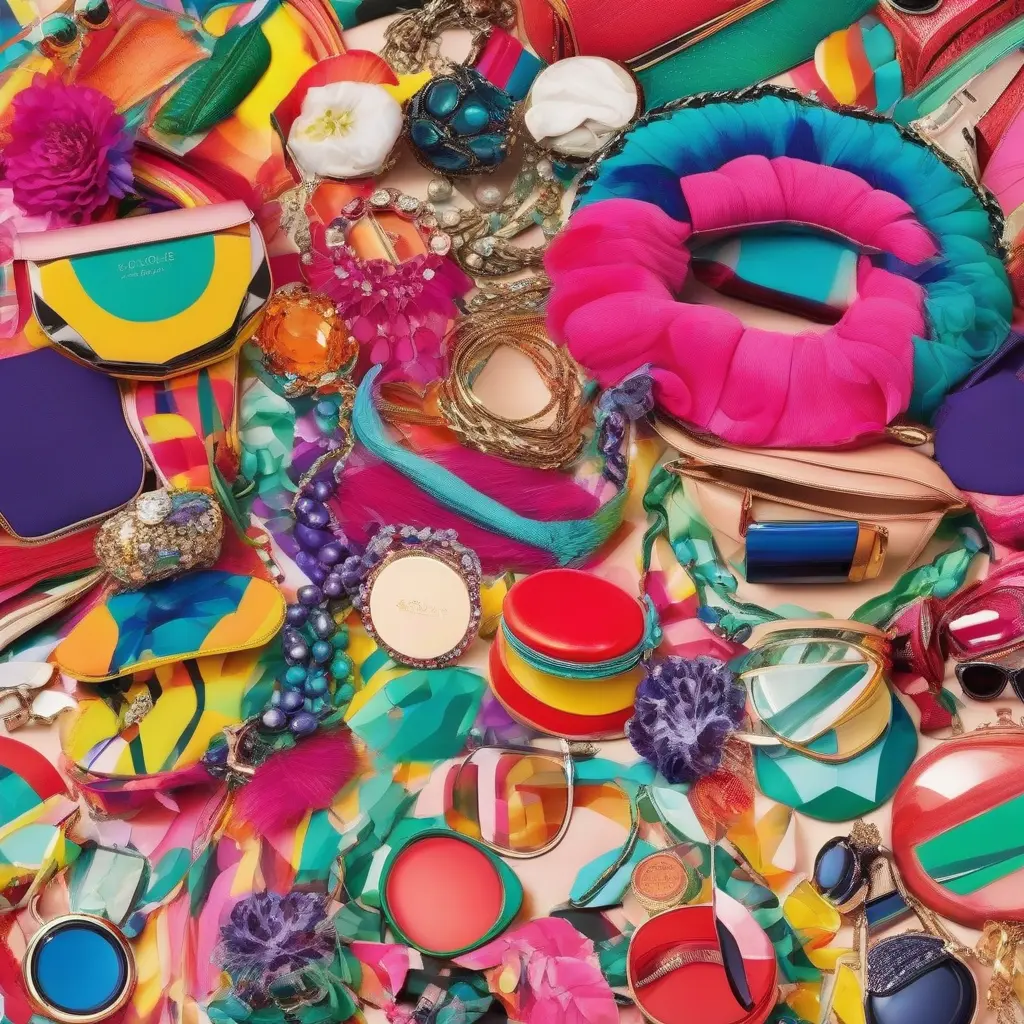
Color plays a pivotal role in fashion, particularly in the realm of accessories. Accessories are the finishing touches that can elevate an outfit, making it not just stylish but also memorable. By understanding the psychology of color and the themes associated with different hues, individuals can make bold choices that enhance their personal style and express their individuality. Whether it’s through statement jewelry, vibrant bags, or colorful scarves, the right accessory can transform an ordinary look into something extraordinary, allowing for creativity in fashion.
Understanding Color Psychology
Color psychology explores how colors influence perceptions and emotions. Each color carries specific meanings; for instance, red often symbolizes passion and energy, while blue has a calming effect. When selecting accessories, understanding these psychological associations can help create a mood or convey a message. For example, wearing yellow accessories can exude cheerfulness and optimism, making them perfect for summer events. By thoughtfully choosing colors for accessories, one can enhance their outfit while simultaneously influencing how they are perceived by others.
The Trend of Statement Accessories
Statement accessories are gaining popularity for their bold and eye-catching designs. These items stand out, transforming even the simplest outfits into head-turning ensembles. Colors play a crucial role here; vibrant, contrasting hues can create a visual impact that captivates attention. A bright red handbag paired with a neutral outfit can become the focal point, demonstrating that the right accessory in the right color can showcase personality and style. Embracing statement pieces allows individuals to express their uniqueness while staying current with fashion trends.
How to Choose Colors for Your Accessories
Choosing the right colors for accessories requires consideration of personal style, wardrobe, and skin tones. A good starting point is to assess your existing clothing palette; selecting accessories that complement or contrast these colors can enhance overall looks. Additionally, understanding one’s skin tone can guide choices, as certain colors may enhance features better than others. Warm tones may prefer golds and earth tones, while cooler tones may shine with silvers and jewel shades. Thoughtful color selection allows wearers to curate a cohesive and stylish array of accessories.
Playing with Patterns and Textures
In addition to color, patterns and textures are vital components of accessory design. Combining colors with different patterns—like stripes, florals, or polka dots—can create an interesting visual dynamic. For example, a floral scarf in bright colors can enliven a plain outfit, while striped handbags can add a modern touch to casual wear. Textures, such as matte or shiny finishes, affect how colors are perceived; for instance, matte surfaces can give a more understated look, while glossy textures can appear more vivid. Exploring these elements broadens creative possibilities in accessorizing.
Seasonal Color Trends in Accessories
Color trends shift with the seasons, often dictating which hues are favored in accessories. Spring tends to bring soft pastels, while summer embraces bold and bright colors. Fall introduces warm earth tones, and winter often features rich, deep shades. Staying updated with seasonal trends not only inspires fresh accessory choices but also helps in creating outfits that are relevant and stylish. Brands often release seasonal collections that highlight these trends, making it easier to shop for accessories that reflect the current fashion landscape.
Accessorizing for Special Occasions
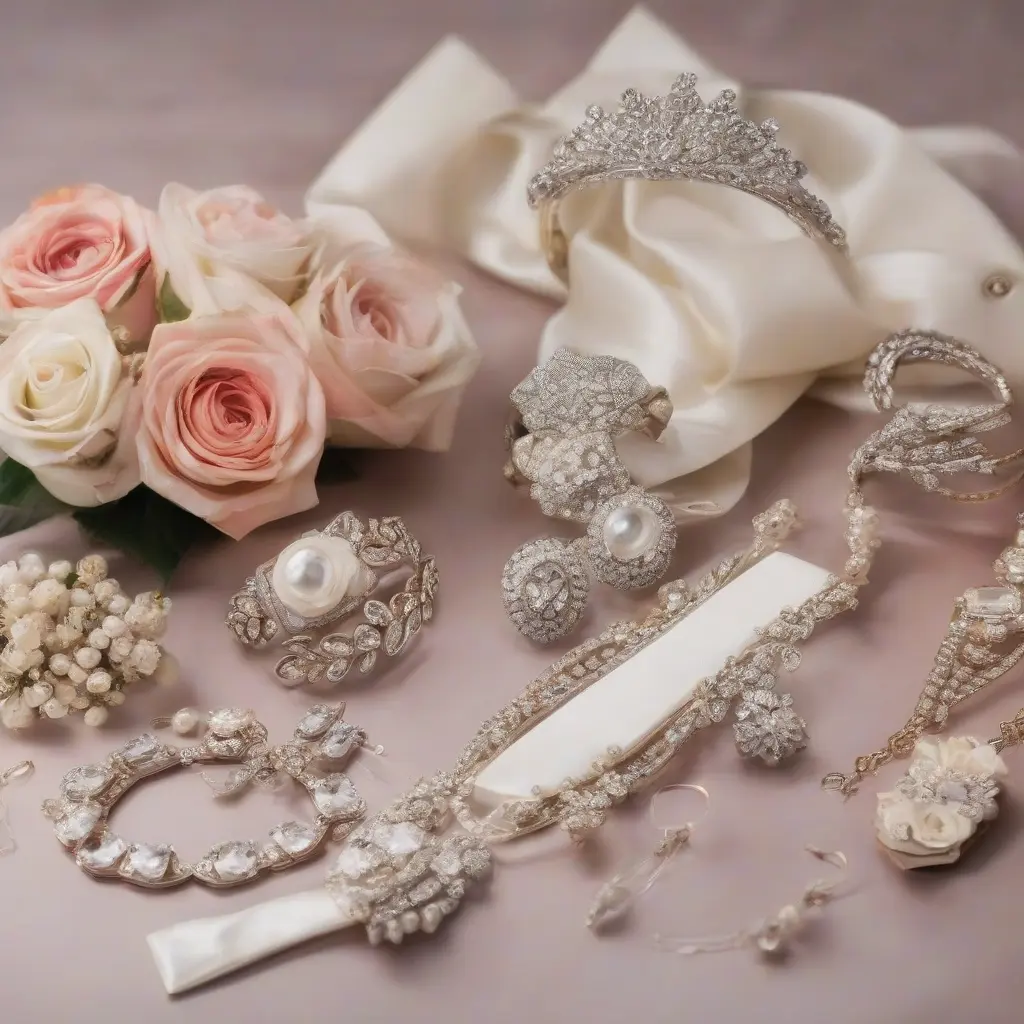
Special occasions call for thoughtful accessory choices that amplify the outfit while reflecting the event’s essence. Whether it’s a wedding, cocktail party, or a formal gathering, the right colors can complement the mood of the occasion. For example, wearing gold and silver accessories for evening events adds a touch of elegance, while bright colors are more suitable for daytime gatherings. Understanding what colors resonate with the occasion enhances the overall aesthetic and ensures that one feels confident and appropriately dressed for the moment.
Mixing and Matching Accessories
Mixing and matching accessories involves creatively combining different items to achieve a harmonious look. Balancing colors, patterns, and textures is essential to avoid clashing and ensure a cohesive appearance. One effective approach is to choose one statement piece, such as a bold necklace, and keep other accessories more subdued in color. Alternatively, creating a monochromatic look can also be striking; different shades of the same color can add depth and interest. Mastering this technique allows individuals to express their creativity while developing a signature style that stands out.
Sustainable Choices in Colored Accessories
Sustainability in fashion is becoming increasingly important, and choices in accessories are no exception. Opting for eco-friendly materials, such as organic cotton or recycled metals, can significantly impact the environment. Additionally, choosing timeless colored accessories over fast-fashion trends can lead to a more sustainable wardrobe. Brightly colored pieces that are timeless can withstand seasonal trends and serve as conversation starters in various settings. Prioritizing sustainability ensures not only a stylish but also an environmentally responsible choice when accessorizing.
Conclusion
The power of color in accessories is immense, allowing individuals to make bold choices that enhance their fashion statements. By understanding color psychology, selecting vibrant pieces, and considering seasonal trends, anyone can elevate their style. The right accessories not only complete an outfit but also express personality and creativity, making it essential to invest time in thoughtful color choices.