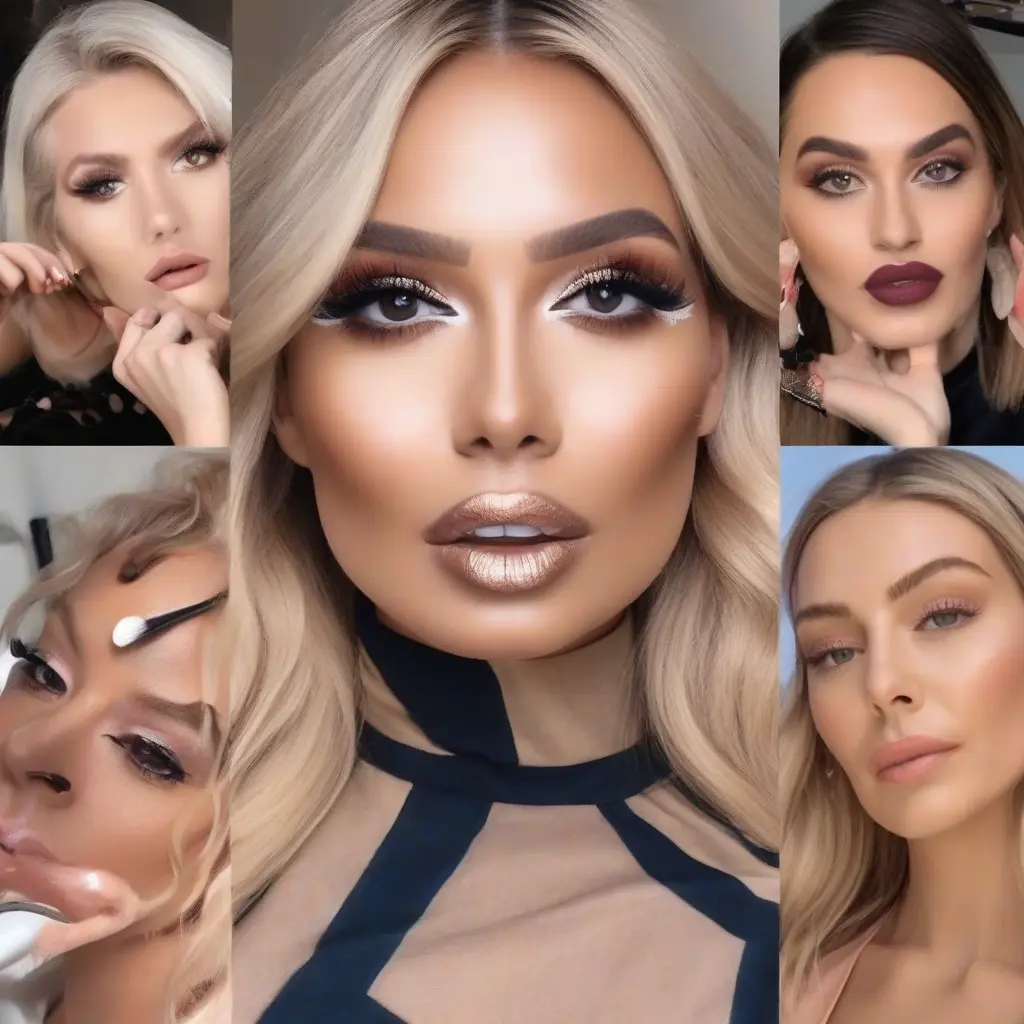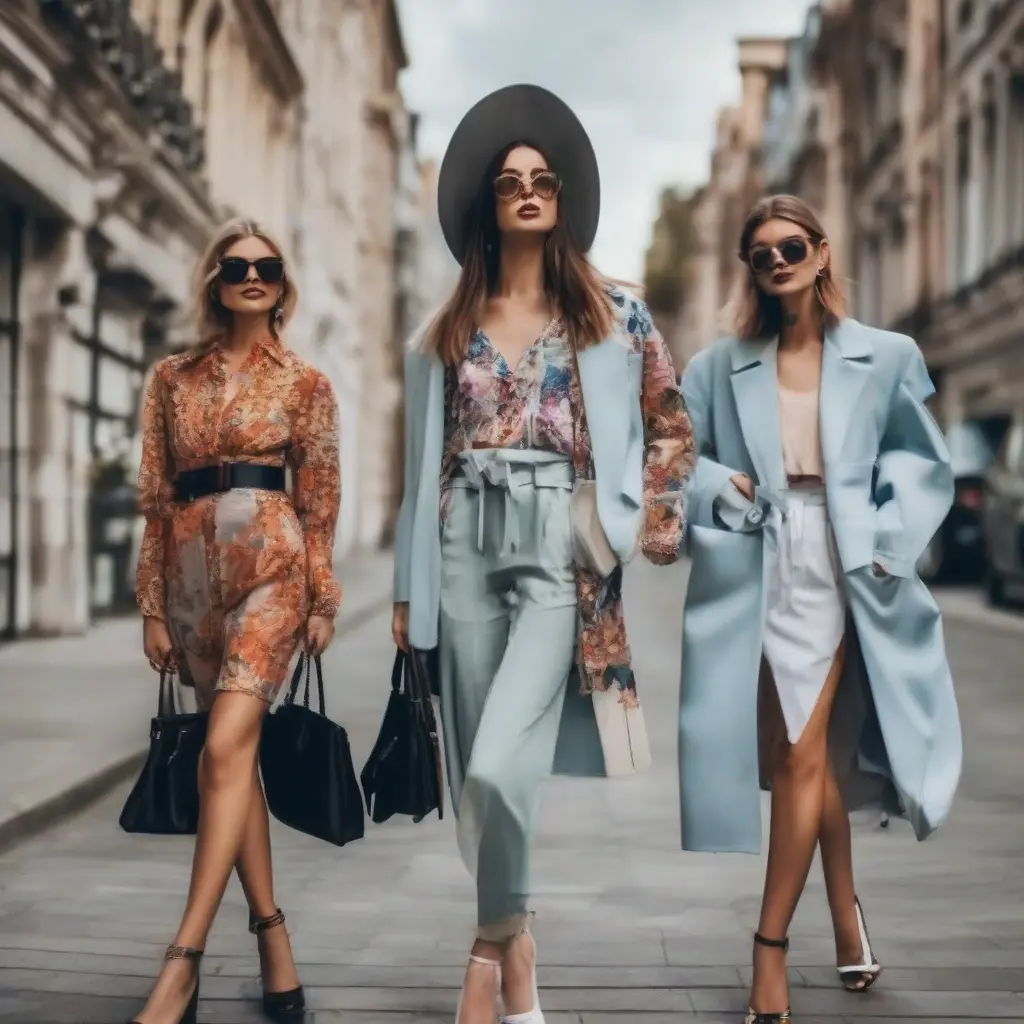
In recent years, fashion bloggers have emerged as key players in the industry, wielding significant influence over consumer behavior and trends. These individuals, often armed with a strong online presence and unique aesthetic viewpoints, curate content that resonates with a diverse audience. They not only promote fashion items but also embody lifestyle choices that reflect current societal values. As a result, fashion bloggers are instrumental in shaping what is considered trendy and stylish, bridging the gap between high fashion and everyday wear. Their ability to connect with followers on a personal level enhances their influence, making them pivotal in today’s fashion landscape.
The Rise of Fashion Blogging
The phenomenon of fashion blogging began in the early 2000s, transforming how trends are shared and consumed. Initially, fashion blogs served as digital diaries for enthusiasts, showcasing personal style and DIY outfits. As platforms like Instagram and Pinterest gained popularity, these blogs evolved into extensive visual catalogs that appeal to a broader audience. This rise allowed bloggers to gain significant followings, creating a new type of influencer who could affect the fashion industry profoundly. The immediacy of digital content enables trends to spread rapidly, making bloggers essential in marketing strategies for brands aiming to reach younger demographics.
Fashion Bloggers as Trendsetters
Many fashion bloggers have established themselves as trendsetters, often leading the charge in popularizing styles before they hit mainstream consciousness. By curating outfits and showcasing unique combinations, these influencers introduce new aesthetics to their audience, often blending high-end fashion with accessible pieces. Their creative approaches inspire followers to experiment with their own styles, fostering a culture of individualism in fashion. Furthermore, this democratization of fashion means that trends are not solely dictated by top designers or fashion houses but are instead shaped by real-life experiences and preferences of everyday individuals.
The Democratization of Fashion
In contrast to traditional fashion media, which often prioritized luxury and exclusivity, fashion bloggers represent a shift toward democratization. By sharing their insights about affordable brands and thrift shopping, they broaden the accessibility of fashion to a wider audience. This shift challenges the conventional norms of the fashion industry, allowing consumers to feel empowered in their choices. Brands are increasingly recognizing the potential of collaboration with bloggers who embody this inclusive fashion philosophy, leading to innovative partnerships that reflect the diverse tastes of consumers.
The Importance of Authenticity
Today’s consumers are looking for authenticity in influencer partnerships more than ever. Fashion bloggers who cultivate genuine relationships with their followers are likely to have a more substantial impact on trends. Authenticity fosters trust, and when bloggers promote products or styles, their audience is more inclined to engage. This rapport often translates into higher conversion rates for brands that collaborate with them. Consequently, the most successful fashion bloggers prioritize transparency, openly discussing sponsored content and sharing their genuine opinions to maintain their credibility and relevance.
Navigating Brand Collaborations
Successful fashion bloggers often navigate brand collaborations strategically, aligning themselves with labels that resonate with their personal brand and audience values. These partnerships can elevate both the blogger and the brand, provided they are approached with authenticity. Bloggers may partner for sponsored posts, Instagram takeovers, or exclusive promotions that reflect their unique style. Importantly, effective collaborations are about more than mere promotion; they involve creating content that engages the audience while maintaining the blogger’s voice and ethos. This approach not only enhances the blogger’s reputation but also benefits brands seeking to capitalize on their influence.
The Role of Social Media Platforms
Social media platforms play a pivotal role in amplifying the influence of fashion bloggers. Platforms like Instagram, TikTok, and YouTube provide spaces for bloggers to showcase their style, communicate trends in real time, and engage with followers interactively. The visual nature of these platforms allows for creative expression, enabling bloggers to present their outfits and insights in a compelling manner. Algorithms on these platforms also encourage viral content, allowing emerging trends to gain traction quickly. In this digital age, the synergy between fashion blogging and social media is essential for shaping the fashion landscape.
Impact on Consumer Behavior
The influence of fashion bloggers extends significantly to consumer behavior, as followers often look to them for guidance on purchases and style choices. Fashion bloggers can dissect and analyze trends, making them more relatable to their audiences. This relationship creates a powerful dynamic where bloggers can sway buying decisions, leading to increased sales for brands they endorse. Additionally, bloggers often highlight sustainable and ethical fashion choices, prompting their audience to consider the impact of their purchases. As consumers become more conscientious, the role of fashion bloggers in guiding responsible fashion behavior becomes increasingly important.
Shaping a New Generation of Fashion Enthusiasts
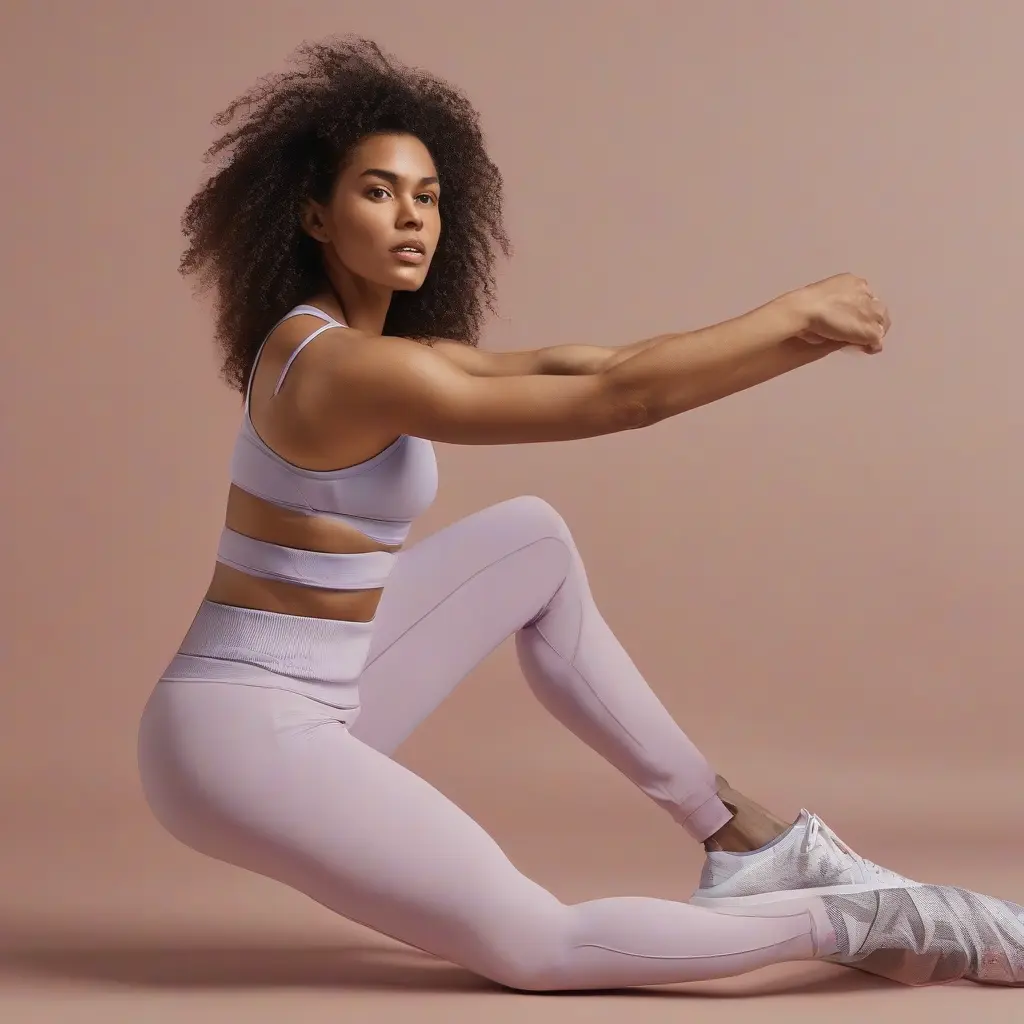
Fashion bloggers play an essential role in shaping a new generation of fashion enthusiasts who approach style with creativity and openness. They inspire followers to explore personal expression rather than merely conforming to trends dictated by the fashion elite. By highlighting diverse body types, styles, and cultural influences, these bloggers create an inclusive environment where everyone can find their place in the fashion narrative. This shift encourages a dialogue about identity, self-expression, and diverse representations in fashion, contributing to a richer and more varied fashion landscape.
The Future of Fashion Blogging
The future of fashion blogging appears promising as the industry continues to evolve and adapt. With the rise of new technologies and platforms, the way content is produced and consumed will only become more dynamic. Blogging may further integrate with augmented reality and virtual reality experiences, offering immersive ways for followers to engage with the fashion world. Additionally, as consumer demands shift toward sustainability and ethical practices, bloggers who prioritize these values will likely thrive. The necessity for authentic voices in this space will remain paramount; therefore, fashion bloggers will continue to shape the future of trends.
Conclusion
In conclusion, fashion bloggers significantly impact the way trends develop and resonate with audiences today. Their authentic and inclusive approach to style empowers consumers and challenges traditional industry norms. As digital platforms continue to shape the fashion landscape, the role of bloggers remains crucial, influencing not only what is considered fashionable but also how fashion is perceived on a broader societal scale.