In today’s rapidly evolving workplace environment, professional attire plays a significant role in making a positive impression. With the blurred lines between casual and formal wear, understanding current trends in professional attire is essential for employees and employers alike. This article delves into the latest developments in workplace fashion, providing insights into how dressing appropriately can influence workplace dynamics, enhance productivity, and reflect corporate culture. From the revival of classic styles to the embrace of sustainable fashion, each trend is reshaping how professionals approach their wardrobe choices.
The Shift Towards Smart Casual Attire
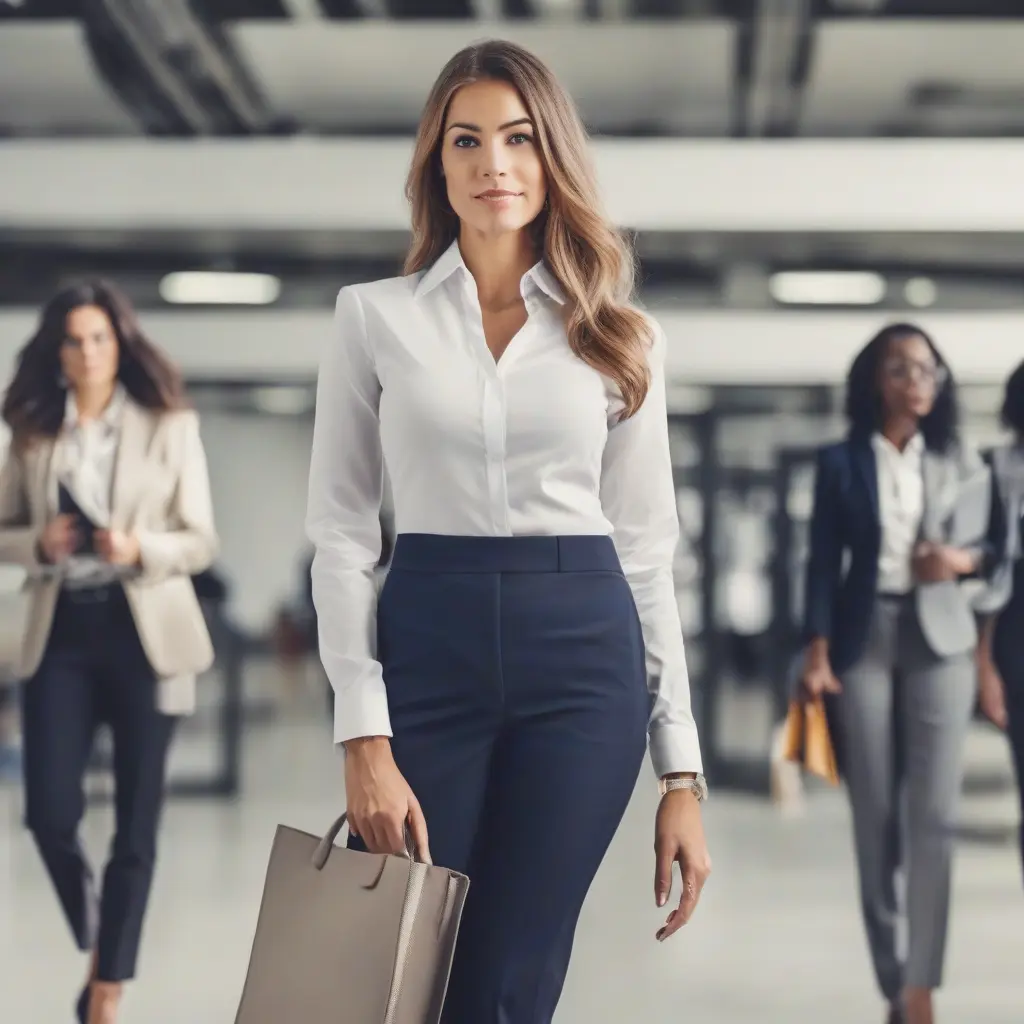
Smart casual attire has gained immense popularity in modern workplaces, bridging the gap between formal and casual wear. This trend allows employees to combine comfort with professionalism, leading to a more relaxed yet polished appearance. For instance, pairing tailored trousers with a crisp, collared shirt or a sleek blazer can create a sophisticated look while still providing ease of movement. This shift benefits companies aiming to foster a more approachable and less rigid atmosphere, encouraging creativity and collaboration among team members.
Embracing Sustainable Fashion
Sustainable fashion has emerged as a vital consideration in workplace attire, reflecting a growing awareness of environmental impact. Brands focusing on eco-friendly materials and ethical production practices are becoming increasingly sought after in professional settings. Employees are opting for clothing made from organic cotton, recycled polyester, and other sustainable materials, fostering a sense of responsibility towards the planet. This trend not only enhances the workplace’s image but also aligns with corporate values aimed at promoting sustainability and conscious consumerism.
The Return of Classic Styles
Classic styles are making a significant comeback in professional attire, showcasing timeless elegance that resonates with many professionals. Tailored suits, pencil skirts, and dress shirts in neutral colors have regained their place as staples in corporate wardrobes. These pieces offer versatility, allowing for easy mixing and matching, which can lead to various sophisticated outfits suitable for different business occasions. The revival of classic styles emphasizes the importance of quality over quantity, encouraging employees to invest in lasting pieces.
Focus on Comfort and Functionality
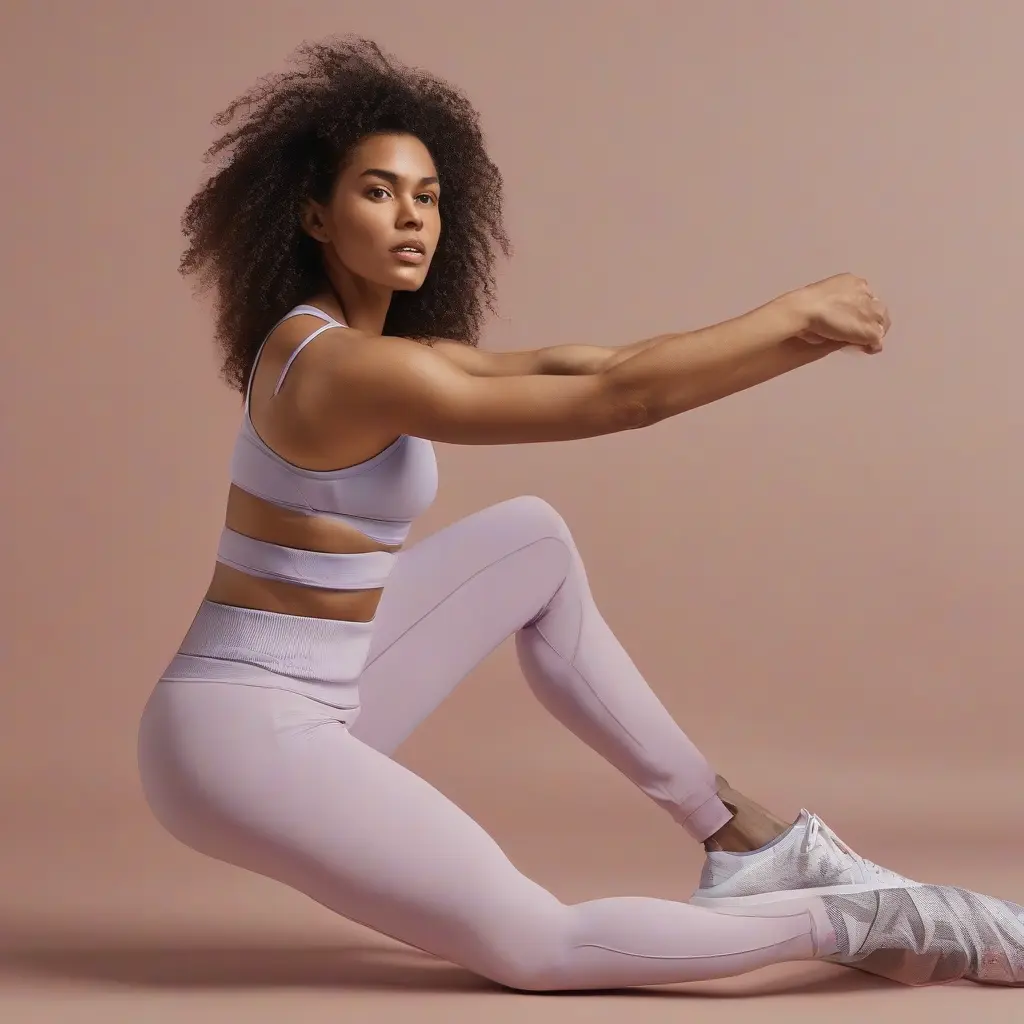
As workplace environments become increasingly dynamic, the emphasis on comfort and functionality in professional attire cannot be overlooked. Many companies are adopting flexible dress codes, allowing employees to prioritize comfort while still looking professional. Fabrics with stretch, breathable materials, and versatile designs are gaining popularity, enabling professionals to transition easily from meetings to other tasks. This approach not only enhances individual well-being but also contributes to overall productivity and job satisfaction.
The Role of Accessories in Professional Dress
Accessories play a crucial role in elevating professional attire, providing individuals the opportunity to express their personal style. Items such as watches, belts, and briefcases can enhance basic outfits, transforming them into polished looks suitable for the workplace. Additionally, choosing the right accessories allows professionals to maintain a balance between individuality and adherence to corporate dress codes. The thoughtful selection of accessories can signify attention to detail, making a memorable impact in business interactions.
Gender-Neutral Workwear Trends
Gender-neutral workwear trends are gaining traction, promoting inclusivity and breaking traditional gender norms in professional attire. Brands are increasingly offering clothing that transcends gender boundaries, focusing on fit, fabric, and functionality rather than labels. This shift not only enhances employee comfort but also fosters an environment of acceptance and equality in the workplace. As companies embrace gender-neutral attire, they reflect a commitment to diversity and acceptance, which can significantly improve workplace morale.
The Impact of Remote Work on Attire Choices
The rise of remote work significantly impacts how professionals approach their attire, leading to more relaxed dress codes. Many remote employees prioritize comfort, often opting for business casual or athleisure wear during working hours. However, a continued emphasis on presentability is emerging, as virtual meetings require participants to maintain a professional appearance. This trend encourages individuals to invest in versatile pieces that seamlessly transition from casual home settings to professional video calls, striking a balance between comfort and professionalism.
Color Psychology in Workplace Attire
Color psychology plays an essential role in workplace attire, influencing perceptions and behaviors within professional environments. Various colors evoke specific emotions and can affect how colleagues and clients perceive an individual. For instance, blue is often associated with trust and reliability, making it a popular choice for professionals aiming to instill confidence. Understanding color psychology can guide professionals in their wardrobe choices, helping them convey the right messages and create favorable impressions in their workplace interactions.
Conclusion
Dressing for the workplace encompasses a variety of trends reflecting personal style, corporate culture, and societal changes. By embracing smart casual attire, sustainable fashion, classic styles, and other emerging trends, professionals can enhance their appearance while fostering inclusivity and comfort. As the landscape of workplace attire continues to evolve, individuals who stay informed about these trends can make empowered choices that align with their values and contribute positively to their professional settings.