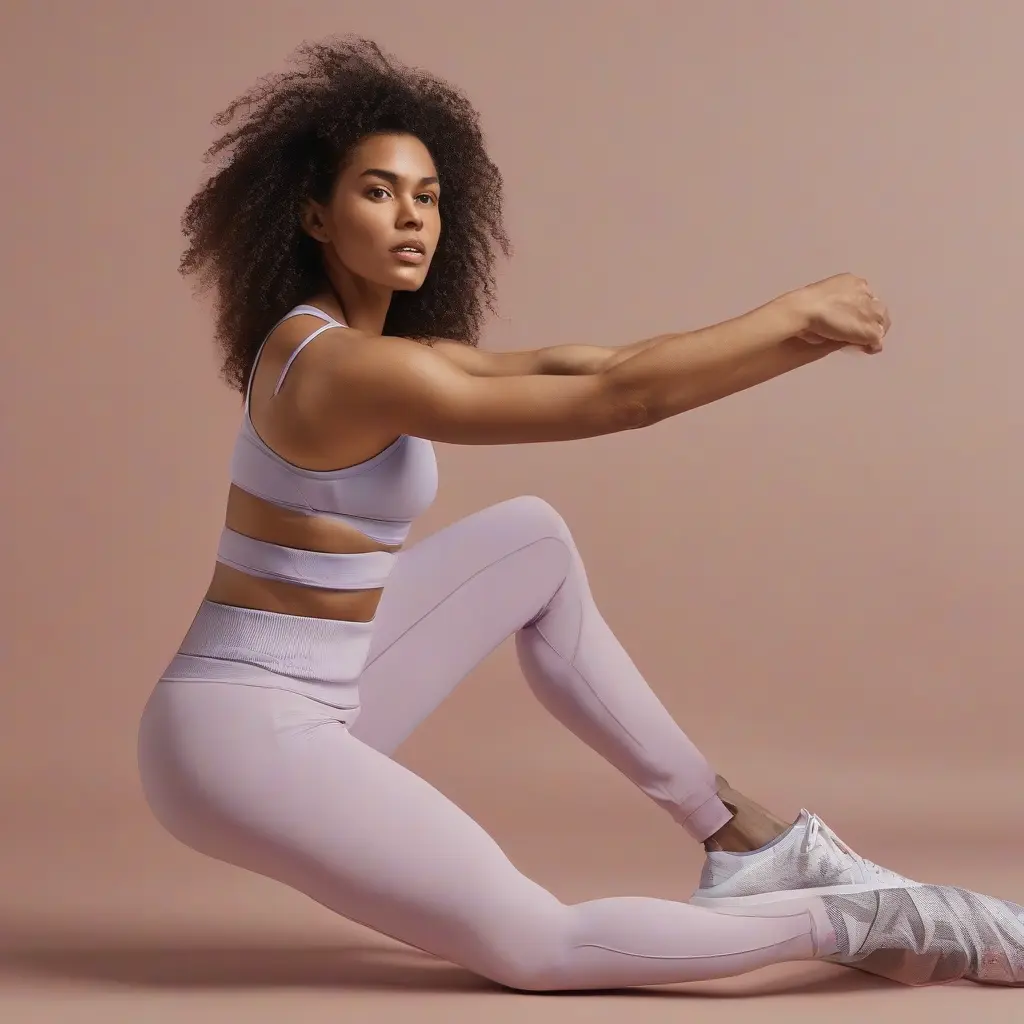
Athleisure has become a dominant trend in contemporary fashion, seamlessly blending athletic wear with everyday apparel. This fusion not only caters to a growing desire for comfort but also reflects changing societal attitudes toward fitness and style. The rise of athleisure signifies a cultural shift where wearing sportswear in casual settings is now considered socially acceptable and even stylish. With its origins in the early 2000s, athleisure has evolved through various phases, making it a significant topic for anyone interested in fashion trends and lifestyle.
The Origins of Athleisure
Athleisure emerged in the early 2000s as a result of evolving fitness culture and the increasing popularity of gym memberships. As people sought to combine functionality with fashion, brands began designing clothing that was not only suitable for workouts but also stylish enough for casual outings. The introduction of technical fabrics, like moisture-wicking materials, offered comfort and performance, setting the stage for athleisure to gain traction in both sports and lifestyle markets. This innovative approach marked the beginning of athleisure as a staple in many wardrobes.
Cultural Influences on Athleisure
The cultural landscape has significantly influenced the rise of athleisure, particularly due to the impact of social media and celebrity endorsements. Influential figures from various fields, including athletes and fashion icons, began sporting these versatile outfits, thus shaping public perception. Platforms like Instagram enabled users to showcase their athleisure looks, contributing to an increased visibility of the trend. This blend of fitness and fashion became a visual representation of a healthy lifestyle, further driving consumer interest and acceptance of athleisure in everyday life.
Material Innovations in Athleisure
Material innovation plays a crucial role in the growth of athleisure, with advances in fabrics enhancing comfort and functionality. High-performance materials like spandex, nylon, and performance blends allow for better movement and breathability, making athleisure appealing for both workouts and casual wear. These textiles often feature properties such as moisture-wicking, stretch, and quick-drying capabilities, making them suitable for an active lifestyle. As manufacturers continue to explore sustainable materials, the athleisure market is witnessing new trends that align with environmental consciousness.
The Role of Fitness Trends in Athleisure
The proliferation of fitness trends has been instrumental in the rise of athleisure, as more people seek to integrate wellness into their daily lives. As fitness-oriented activities like yoga, running, and Pilates gained popularity, clothing designed for these activities became more sophisticated and widely accepted. This shift prompted brands to create collections that resonate with both athletic and lifestyle consumers. The result is a diverse range of styles that cater to varying preferences, further cementing athleisure’s place in modern fashion.
Athleisure and Gender Dynamics
Gender dynamics play an important role in the evolution of athleisure, as brands strive to cater to both men and women effectively. Historically, women’s fitness fashion focused more on aesthetics, while men’s athletic wear emphasized performance. However, the lines have blurred, with unisex options gaining popularity. Today, consumers increasingly seek versatile items that can transition seamlessly between different settings. This shift reflects broader trends toward inclusivity and diversity in fashion, making athleisure more accessible and appealing to a wider audience.
Athleisure in Everyday Life
Athleisure has profoundly impacted everyday life, transforming how people approach their wardrobes. The trend promotes a more relaxed and comfortable style, allowing individuals to wear functional outfits for various occasions, from leisure to professional settings. This versatility is essential in today’s fast-paced world, where comfort is a high priority. As employers embrace relaxed dress codes and more participants engage in physical activities, athleisure continues to occupy a central role in modern clothing choices.
Sustainability in Athleisure
Sustainability has become a defining factor in the future of athleisure, as consumers increasingly prioritize eco-friendly options. Brands are responding to this demand by developing sustainable practices, including using recycled materials and reducing waste in production. This green approach not only attracts environmentally conscious buyers but also aligns with the athletic community’s values. As the athleisure market evolves, its commitment to sustainability will likely play a significant role in shaping purchasing decisions and establishing brand loyalty among consumers.
Market Trends and Future Outlook for Athleisure
The athleisure market is projected to continue its upward trend, with various factors influencing its future. Demand for versatile clothing that serves multiple purposes is rising, alongside a growing emphasis on wellness and fitness. Additionally, technological advancements in fabric production and design will likely lead to more innovative athleisure options. As fashion continues to evolve, the integration of style, comfort, and functionality will be paramount, ensuring that athleisure remains a prominent category in the fashion industry for years to come.
Conclusion
In summary, athleisure represents a significant evolution in fashion, merging fitness with style to create a versatile clothing category. Its growth is influenced by cultural changes, material innovations, and an increased focus on sustainability. As society continues to embrace wellness and a more casual dress code, athleisure is poised to remain a mainstay in contemporary wardrobes, reflecting both lifestyle choices and fashion trends.