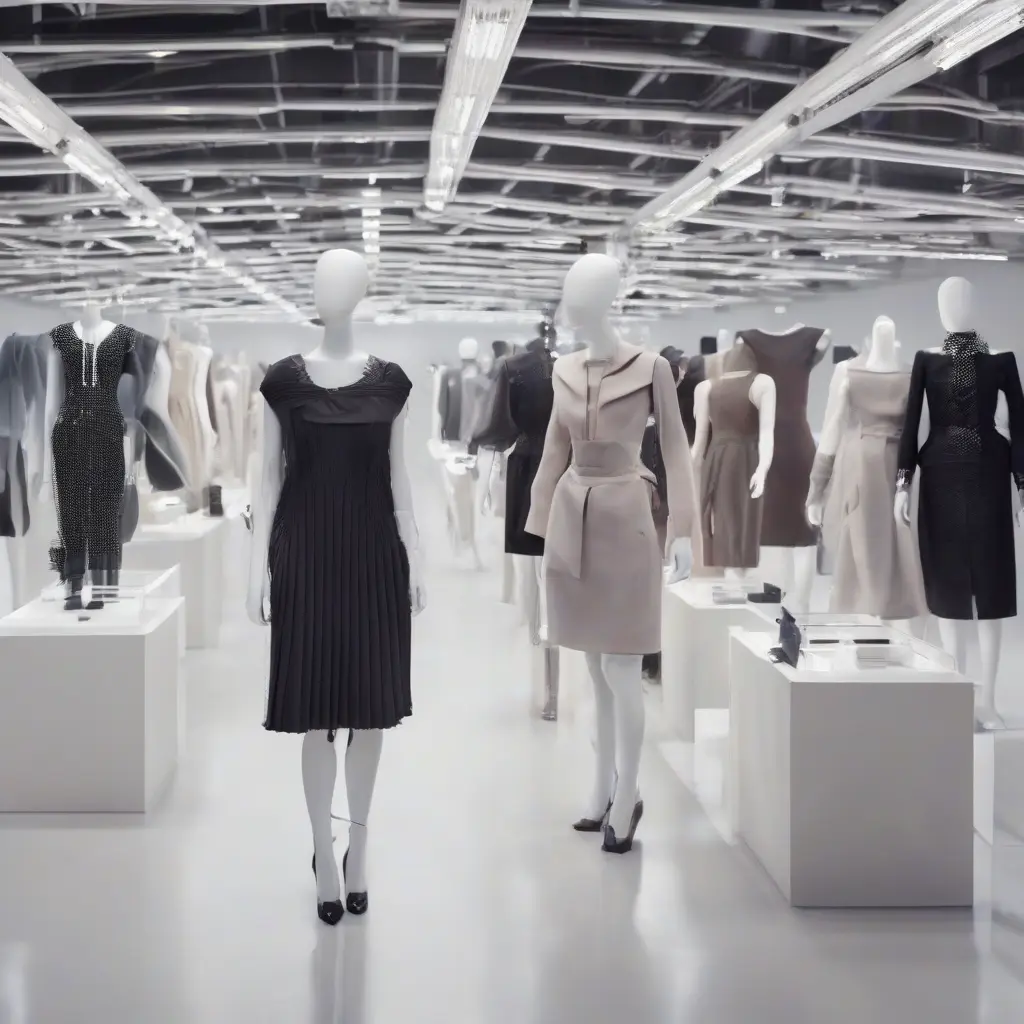
The fashion industry is undergoing a dramatic transformation thanks to technological innovations that enhance design, production, and user experience. From smart fabrics to augmented reality fitting rooms, these advancements are not just trends; they are fundamental shifts reshaping how consumers interact with fashion. Additionally, sustainability has become a central focus, pushing brands to adopt technologies that minimize environmental impact. As we examine the various facets of fashion tech, it becomes clear that these innovations are pivotal in driving the industry into the future while meeting the demands of a more conscious consumer base.
The Rise of Smart Fabrics
Smart fabrics are revolutionizing the way we think about clothing by integrating technology directly into textiles. These fabrics can monitor body metrics, respond to environmental changes, or even provide heating or cooling. Innovations such as moisture-wicking textiles and temperature-regulating fabrics cater to both athletic and everyday wear, enhancing comfort and functionality. As consumers increasingly prioritize performance alongside style, the demand for smart materials continues to grow, redefining traditional garment construction and paving the way for future developments in the fashion industry.
Augmented Reality in Retail
Augmented reality (AR) has begun to play a significant role in enhancing the retail experience in the fashion sector. Brands are leveraging AR technology to offer virtual fitting rooms, allowing customers to try on clothes without physically wearing them. This innovative approach not only improves engagement but also reduces return rates by allowing consumers to visualize how items will fit them. Retailers utilizing AR effectively provide a personalized shopping experience, catering to the growing demand for convenience and innovative technologies within the modern marketplace.
3D Printing and Fashion Design
3D printing has emerged as a groundbreaking technology in fashion design, enabling designers to create unique and intricate pieces with unprecedented efficiency. This technique allows for rapid prototyping, reducing material waste and production costs significantly. Designers can experiment with new silhouettes and patterns without the constraints of traditional manufacturing processes, resulting in innovative designs that push creative boundaries. As the 3D printing industry continues to evolve, it is likely to have a lasting impact on how fashion is conceived, produced, and consumed.
Sustainable Fashion Tech
The demand for sustainability in fashion is driving the innovation of eco-friendly technologies. Brands are utilizing various tech solutions, such as biomaterials and recycling techniques, to create sustainable products. For instance, fabrics made from recycled plastics or organic materials contribute to reducing the environmental footprint of garment production. Furthermore, technologies that streamline supply chains and improve inventory management are helping reduce waste. As consumers become more environmentally conscious, the sustained growth of sustainable fashion tech will likely define the future of the industry.
Wearable Technology and Fashion
Wearable technology is changing the landscape of fashion by blending style with functionality. Smartwatches, fitness trackers, and smart jewelry offer consumers the ability to track health metrics, receive notifications, and even control smart home devices directly from their accessories. This integration of technology encourages a healthier lifestyle while promoting fashion as a functional accessory rather than just a visual statement. As fashion brands collaborate with tech companies, we can expect even more innovations that merge aesthetic appeal with advanced technology in everyday wear.
Artificial Intelligence in Fashion Retail
Artificial intelligence (AI) is increasingly becoming an essential tool in fashion retail, transforming how brands understand consumer behavior and streamline operations. AI-driven analytics enable retailers to analyze purchasing patterns, forecast trends, and personalize marketing strategies. This advanced data utilization facilitates a more tailored shopping experience, anticipating customer needs and preferences. By leveraging AI, fashion brands can optimize inventory management, enhance customer service, and stay one step ahead in a rapidly changing marketplace, solidifying its role as a revolutionary force in the fashion tech landscape.
The Impact of Social Media on Fashion Tech
Social media platforms are significantly influencing fashion tech by serving as a forum for trends and innovations to gain traction rapidly. Influencers and digital creators are introducing their audiences to new technologies, creating a direct line of communication between brands and consumers. Platforms like Instagram and TikTok have become essential for fashion brands to showcase their tech innovations, such as smart wearables or sustainable practices. This dynamic relationship not only propels sales but also fosters innovation as companies strive to keep up with consumer expectations shaped by social media trends.
Conclusion
Fashion tech is undoubtedly reshaping the industry, integrating innovative solutions that elevate consumer experiences while addressing sustainability concerns. As we continue to explore these advancements, it is apparent that technology will play a pivotal role in defining future fashion trends. The ongoing advancements in smart fabrics, AR, 3D printing, and AI demonstrate that the intersection of fashion and technology is setting the stage for a new era of creative expression and responsible production.