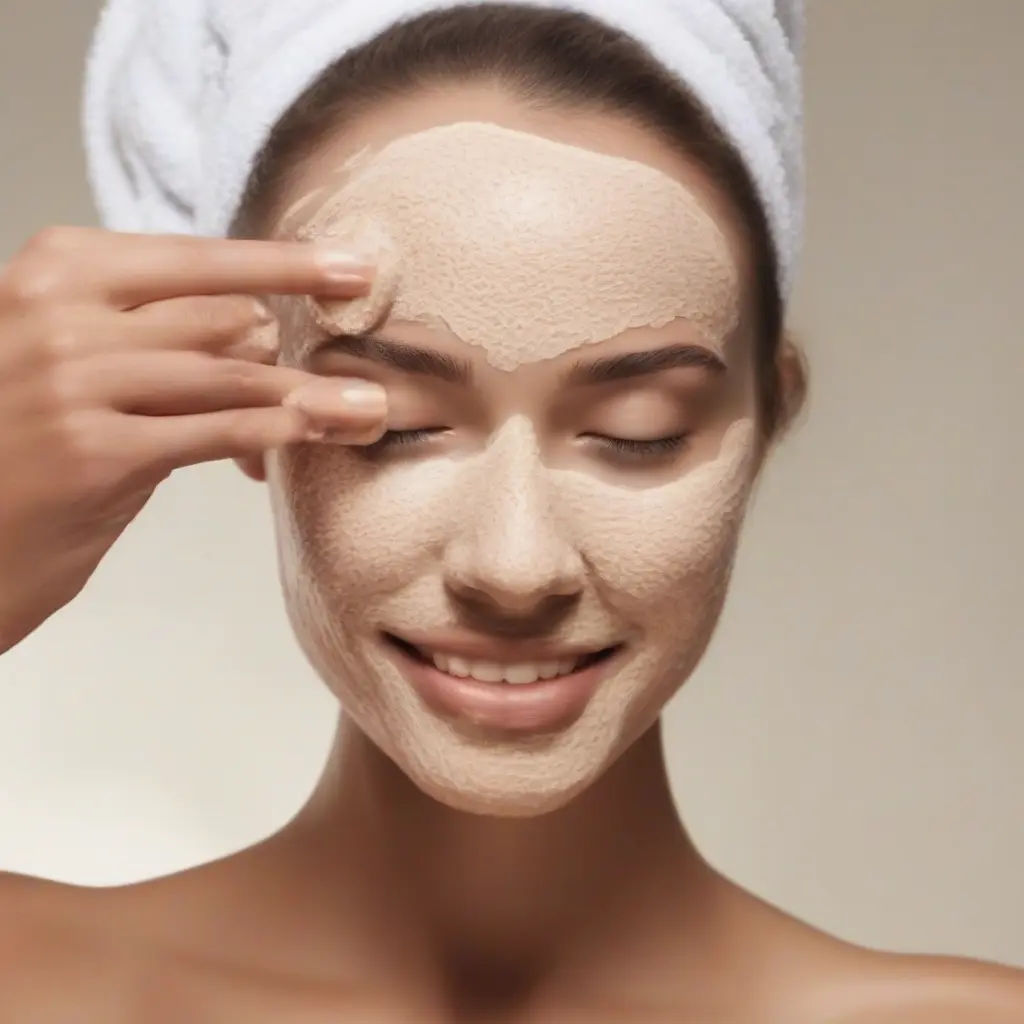
Regular exfoliation is essential for maintaining healthy, vibrant skin. By removing dead skin cells, it promotes cell turnover and enhances the skin’s overall appearance. This practice can improve the skin’s texture, unclog pores, and increase the effectiveness of skincare products. Moreover, exfoliating regularly can help combat skin issues such as acne, dryness, and uneven pigmentation. With a little knowledge of the types of exfoliation and the benefits, anyone can develop a rejuvenating skincare routine that leads to radiant skin.
What is Exfoliation?
Exfoliation is the process of removing the top layer of dead skin cells to reveal fresher, healthier skin underneath. This can be accomplished through physical methods, such as scrubs and brushes, or chemical methods, which involve products containing ingredients like alpha-hydroxy acids (AHAs) and beta-hydroxy acids (BHAs). Both methods encourage the shedding of dead skin cells and promote new cell growth. Understanding the different types of exfoliation can help individuals choose the method best suited to their skin type and needs.
The Importance of Cell Turnover
Cell turnover is a vital process for skin health, as it involves the regeneration of new skin cells. Regular exfoliation accelerates this natural process by removing dead skin cells and encouraging the emergence of fresher cells. As we age, cell turnover slows down, leading to a dull complexion and increased signs of aging. By incorporating exfoliation into a skincare routine, individuals can stimulate this process, resulting in a more youthful appearance and improved skin texture. Maintaining a regular exfoliation schedule helps support optimal skin health.
Improved Texture and Tone
One of the most noticeable benefits of regular exfoliation is improved skin texture and tone. Exfoliating helps to smooth rough patches, refining the surface of the skin. This can lead to a more even skin tone by reducing the appearance of pigmentation issues and dark spots caused by sun damage or acne scars. As dead skin cells accumulate, they can create an uneven surface, which can make skin appear dull and lifeless. By exfoliating, you can enhance brightness and clarity, revealing radiant skin.
Unclogging Pores
Clogged pores are a common skin concern that can lead to breakouts and blemishes. Regular exfoliation helps prevent this issue by removing debris, excess oil, and dead skin cells that can block pores. Through both physical and chemical exfoliation, individuals can maintain clearer skin by preventing the formation of acne. When pores are unclogged, they allow for better absorption of skincare products, which can enhance overall skin health. Clear, unclogged pores contribute to a smoother and healthier complexion.
Enhancing Product Absorption
Regular exfoliation plays a crucial role in enhancing the effectiveness of skincare products. When dead skin cells are removed, subsequent products can penetrate more deeply and efficiently, maximizing their potential benefits. Moisturizers, serums, and other treatments can perform better when they are applied to a fresh layer of skin. This improved absorption can lead to faster visible results. Incorporating a consistent exfoliation routine allows for optimal skin hydration and nourishment, thus making the most out of one’s skincare regimen.
Combatting Signs of Aging
As the skin ages, it becomes more susceptible to a range of issues, including fine lines and wrinkles. Regular exfoliation can help combat these signs of aging by promoting cell turnover and encouraging the production of collagen. This dual-action process can lead to firmer, more elastic skin over time. Additionally, exfoliating can improve blood circulation, which contributes to a more youthful glow. By making exfoliation a staple in your skincare routine, you are taking proactive steps toward maintaining youthful-looking skin.
Choosing the Right Exfoliant for Your Skin Type
Selecting the right exfoliant is crucial for achieving the best results without irritating the skin. Different skin types require different formulations; for example, those with sensitive skin may benefit from gentle, enzymatic exfoliants, while oily or acne-prone skin may respond well to chemical exfoliants like salicylic acid. It’s essential to consider your unique skin concerns when choosing an exfoliant. Conducting a patch test can help determine how your skin reacts before incorporating a new product into your routine.
Frequency of Exfoliation
The frequency of exfoliation is vital for maximizing its benefits while minimizing the risk of irritation. Generally, most skin types can tolerate exfoliating 2-3 times per week. However, those with sensitive skin should start with less frequent exfoliation to assess tolerance. Over-exfoliating can lead to redness, dryness, and increased sensitivity, negating the benefits of the practice. Listening to your skin and adjusting your routine based on its response will ensure you achieve the optimal balance for healthy, glowing skin.
Additional Benefits of Exfoliation
Besides enhancing appearance and texture, regular exfoliation offers numerous additional benefits. It can enhance skin hydration by allowing moisturizers to work more effectively. Moreover, exfoliation can help clear away environmental pollutants that accumulate on the skin’s surface, leading to a reduction in breakouts and irritations. By fostering a healthier skin environment, it promotes a glowing complexion and a sense of well-being. The holistic advantages of incorporating exfoliation into your skincare routine cannot be overlooked.
Conclusion
In summary, regular exfoliation is a transformative practice for maintaining healthy and radiant skin. It enhances texture, unclogs pores, and promotes effective absorption of skincare products. By understanding the importance of exfoliation, individuals can customize their skincare routines to meet their unique needs, helping to combat the signs of aging while achieving a clearer, more luminous complexion. Making exfoliation a regular part of one’s regimen can lead to lasting benefits and a radiant glow.