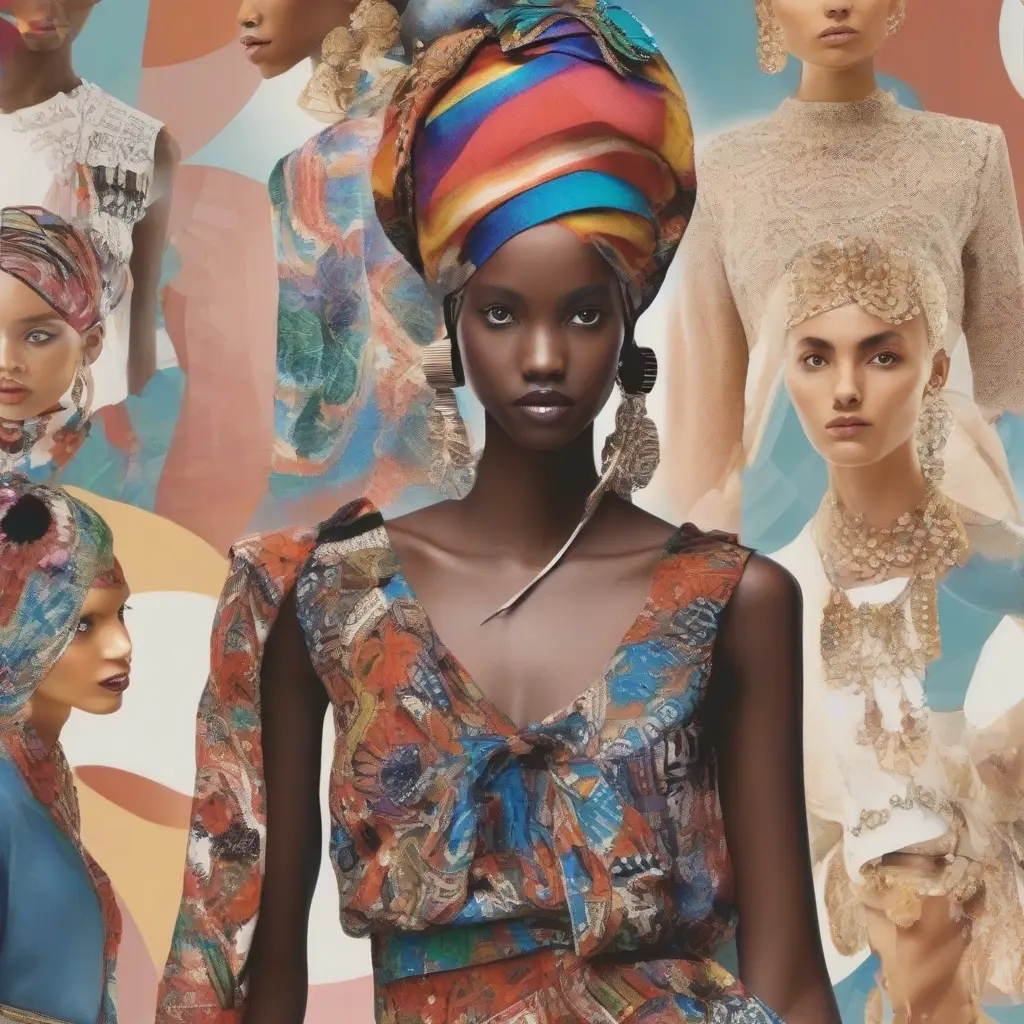
Fashion is a reflection of the cultural zeitgeist, encompassing a wide array of influences that transcend geographical boundaries. Cultural factors such as tradition, art, music, and social movements play significant roles in shaping fashion trends. As societies evolve, so do their clothing preferences, often mirroring social changes and technological advancements. This article delves into the diverse cultural influences on fashion trends from a global perspective, exploring how various cultures have contributed to contemporary fashion narratives and trends.
The Impact of Traditional Clothing
Traditional attire from various cultures often leaves a lasting mark on modern fashion. Indigenous clothing, for instance, introduces unique textiles, patterns, and colors that inspire contemporary designers. The kimono of Japan, the sari of India, and the poncho of South America all exemplify how traditional garments can blend into mainstream fashion, becoming symbols of cultural identity. Designers have increasingly looked to these rich traditions to diversify their collections, thereby bringing cultural storytelling into the modern fashion arena.
Art Movements and Fashion Trends
Art movements significantly influence fashion trends, reflecting broader societal changes. Styles such as Art Deco, Surrealism, and Modernism have seeped into the realm of fashion, inspiring patterns, silhouettes, and even marketing strategies. For example, the vibrant colors and geometric shapes of the Art Deco movement inspired a wave of fashion designers who incorporated these elements into their collections. Such art-inspired fashion often transcends mere aesthetics, engaging consumers on an emotional and intellectual level.
The Role of Music in Shaping Fashion
Music has always been a catalyst for fashion trends, transcending generations and continents. Each musical genre often correlates with distinct styles; from the rebellious punk fashion of the 1970s to the glamorous aesthetics of the 1980s pop music scene, fashion becomes a visual extension of musical identity. Icons like Madonna and David Bowie have not only influenced music but also left an indelible mark on how people express themselves through clothing, demonstrating the symbiotic relationship between music and fashion.
Globalization’s Effect on Fashion Trends
Globalization has significantly accelerated the pace at which fashion trends spread. Ideas, materials, and styles cross borders more rapidly than ever, thanks to digital communication and fast fashion retailers. As a result, we see a blend of cultural influences in everyday wear, where elements from different cultures coexist harmoniously. However, this rapid exchange also raises concerns about cultural appropriation, compelling the fashion industry to engage in more ethical practices and respect the origins of global designs.
Social Movements and Fashion Expressions
Social movements have a profound impact on fashion, often serving as an emblem of change. Events such as the Civil Rights Movement in the United States, feminist perspectives, and LGBTQ+ advocacy have all inspired distinct fashion statements. For instance, the colorful and expressive styles associated with Pride Month celebrate identity and inclusivity. These movements often employ fashion as a form of protest, allowing individuals to express their beliefs and values through clothing choices and style.
Technological Advancements in Fashion
Technological advancements are reshaping the fashion landscape, influencing both design and production processes. Innovations such as 3D printing, virtual fashion shows, and sustainable materials have redefined how clothing is created and consumed. By integrating technology, designers can push the boundaries of creativity, offering unique garments that reflect contemporary tastes and values. Additionally, technology continues to facilitate global collaboration, allowing diverse influences to merge seamlessly into new fashion trends.
Cultural Symbols and Fashion Statements
Fashion often incorporates cultural symbols that convey deeper meanings. For example, the use of the lotus flower in textiles represents purity and beauty within various Asian cultures. Similarly, African prints often reflect heritage and storytelling, becoming significant in both traditional and contemporary fashion. By integrating these symbols, designers not only pay homage to cultural roots but also create dialogue around identity and representation in the fashion industry.
Sustainable Fashion and Cultural Values
The growing emphasis on sustainable fashion is deeply intertwined with cultural values and practices. Various cultures have long embraced sustainable practices, such as Japan’s concept of ‘mottainai’ which conveys respect for resources and minimizes waste. This cultural appreciation for sustainability has propelled designers to reconsider their production processes and material choices. By adopting a more responsible approach, the fashion industry can incorporate these cultural insights, fostering a more sustainable and ethically driven fashion landscape.
The Influence of Film and Media on Fashion
Film and media serve as potent influencers in the world of fashion, often setting trends and shaping consumer perceptions. Iconic films, from Audrey Hepburn’s ‘Breakfast at Tiffany’s’ to more recent blockbusters, have introduced styles that resonate with audiences worldwide. Designers frequently collaborate with the film industry, creating wardrobes that highlight character personas while subtly promoting brand identities. This interplay between cinema and fashion results in trends that are reflective of societal aspirations and narratives.
Conclusion
Cultural influences on fashion trends provide a fascinating lens through which we can understand societal values and dynamics. From traditional clothing to contemporary expressions influenced by music and technology, fashion is a tapestry woven from diverse global narratives. As cultures continue to merge and evolve, they offer new inspirations and challenges, making the study of fashion increasingly relevant in a globalized world. Recognizing these influences not only enriches our understanding of style but also promotes greater appreciation for cultural diversity.