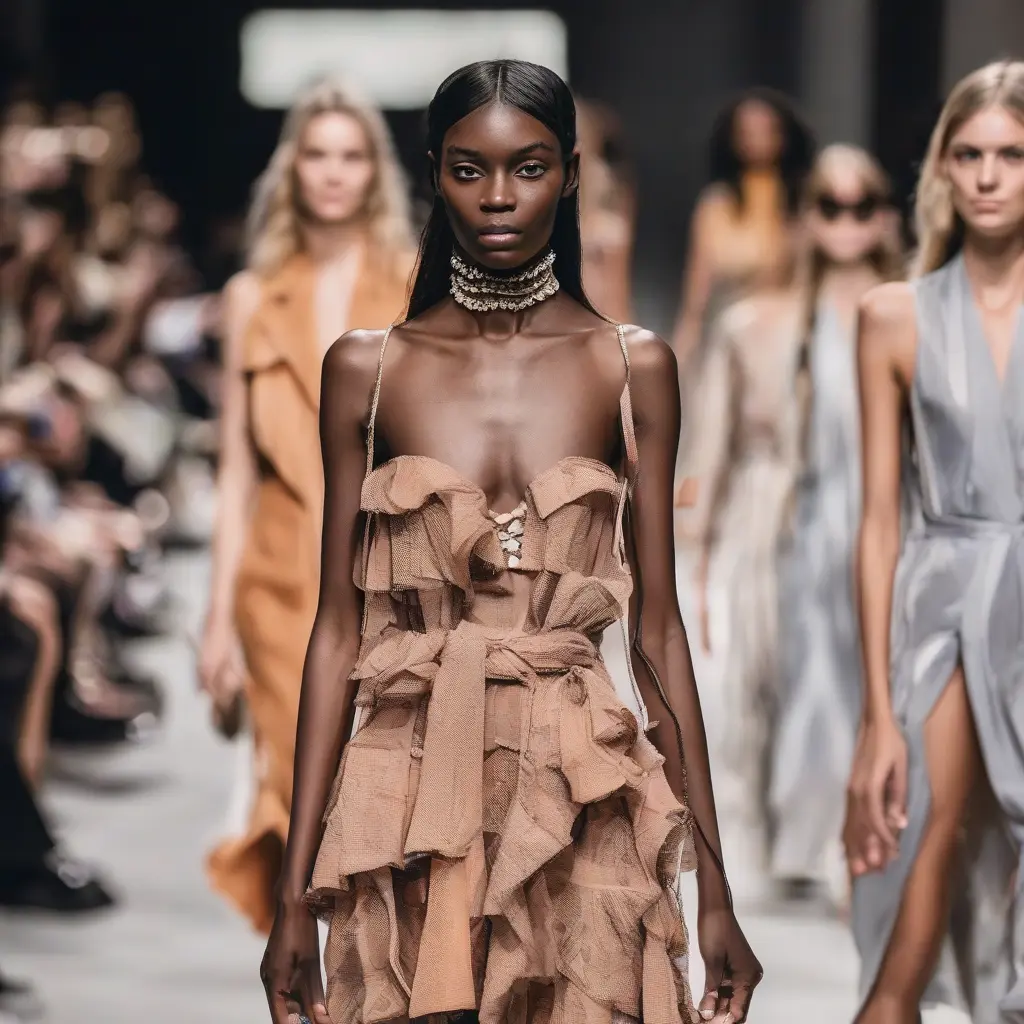
Fashion Week serves as a pivotal platform for designers, brands, and fashion enthusiasts alike, allowing them to showcase upcoming collections and trends. Each year, this extravagant event not only unveils fresh styles but also sets the tone for the fashion industry as a whole. From haute couture to ready-to-wear, the trends showcased during Fashion Week influence consumer preferences and retail strategies. As such, understanding the importance of this event helps both industry professionals and fashion followers anticipate changes in styles and fabrics, making it a key highlight in the global fashion calendar.
Historical Significance of Fashion Week
Fashion Week has roots dating back to the early 20th century, evolving dramatically from intimate gatherings to grand international events. The first organized Fashion Week took place in New York City in 1943, aimed at attracting attention away from Paris during World War II. This initiative paved the way for a regular schedule of presentations showcasing collections from various designers. Over the years, Fashion Week has expanded to major cities worldwide, including Paris, Milan, and London, becoming an integral part of the fashion industry, where trends are birthed and observed.
Trends Emerging from Fashion Week
Every Fashion Week offers a glimpse into the fashion trends that will dominate the upcoming seasons. Designers use this platform to experiment with new fabrics, colors, and silhouettes, often inspired by social issues, art, or history. Emerging trends can include a resurgence of retro styles, bold color palettes, sustainable fabrics, and innovative cuts. Each season brings forth a fresh wave of creativity, making it essential for fashion professionals to pay attention and stay ahead of the curve to adapt to evolving consumer tastes.
Impact on Consumer Behavior
Fashion Week significantly influences consumer behavior by setting the tone for what is deemed fashionable and desirable. Trends observed on the runway are often quickly mirrored in retail stores, allowing consumers to purchase items that reflect the latest styles. This dynamic relationship creates a buzz around brands and designers, as fashion enthusiasts eagerly await new collections inspired by the runway shows. Additionally, the presence of influential celebrities during Fashion Week often drives interest and desire for particular styles, further impacting consumer choices in clothing.
The Role of Social Media in Fashion Week
Social media has transformed how Fashion Week is experienced and promoted, allowing for real-time engagement and broader reach. Platforms like Instagram, TikTok, and Twitter give designers and brands the opportunity to showcase their collections to a global audience instantly. Influencers and fashion commentators share live updates, run critiques, and highlight standout pieces, creating a dialogue around collections. This online presence enhances the visibility of emerging trends, making it vital for designers to create impactful digital content that resonates with both industry insiders and consumers.
Diversity and Inclusion Trends
In recent years, there has been a significant push towards diversity and inclusion within the fashion industry, particularly evident during Fashion Week. Many designers are now making conscious efforts to showcase models from diverse backgrounds, body types, and gender identities. This movement not only reflects a changing societal landscape but also resonates with consumers who seek brands that align with their values. As a result, brands that prioritize inclusivity during Fashion Week often cultivate a loyal following, as they appeal to a broader audience while challenging traditional fashion norms.
Sustainability in Fashion Week
Sustainability has emerged as a cornerstone trend in Fashion Week presentations, with increasing emphasis on eco-friendly materials and ethical production practices. Designers showcase collections that highlight recycled fabrics, organic materials, and reduced waste practices, often telling a story that connects to environmental awareness. This commitment to sustainability is becoming a key selling point, appealing to environmentally conscious consumers who prioritize green fashion choices. As such, Fashion Week becomes a significant platform for raising awareness about sustainability in the industry.
Technological Innovations in Fashion
Innovations in technology have begun to play an essential role in how Fashion Week events are conducted and experienced. From virtual runway shows to augmented reality fittings, technology enhances engagement, allowing audiences to interact with collections in new ways. Designers are incorporating digital elements into their presentations, such as virtual reality experiences that allow consumers to view garments from various angles. This integration of technology not only makes Fashion Week more accessible but also fosters creativity, enabling designers to push the boundaries of conventional fashion presentations.
Regional Trends from Global Fashion Weeks
Each major Fashion Week around the world often highlights unique regional trends, reflecting cultural influences and local fashion sensibilities. For instance, Milan is known for luxury and craftsmanship, while New York often emphasizes practicality and street style. Paris showcases avant-garde designs that push creative boundaries, and London frequently embraces eclecticism and youth-driven aesthetics. By observing these regional characteristics, fashion industry professionals can gain insights into global market trends and identify opportunities for cross-cultural collaborations that may appeal to a broader audience.
Future Outlook for Fashion Week
As the fashion landscape continues to evolve, the future of Fashion Week looks poised for further transformation. With growing consumer demand for transparency, sustainability, and inclusivity, fashion brands will need to adapt their strategies and presentation styles. Additionally, the integration of digital experiences will likely become more commonplace, making Fashion Week accessible to diverse audiences worldwide. The emphasis on innovation and creativity will remain a driving force, ensuring that Fashion Week continues to be at the forefront of the fashion industry, shaping trends and consumer behavior.
Conclusion
In summary, Fashion Week plays a crucial role in setting the stage for new trends and guiding the fashion industry. Acts of innovation, diversity, and sustainability are becoming central themes, shaping the broader perception of fashion. By engaging with Fashion Week, industry professionals and consumers alike can harness the insights garnered from this significant event, leading to a more informed and trend-savvy fashion community.