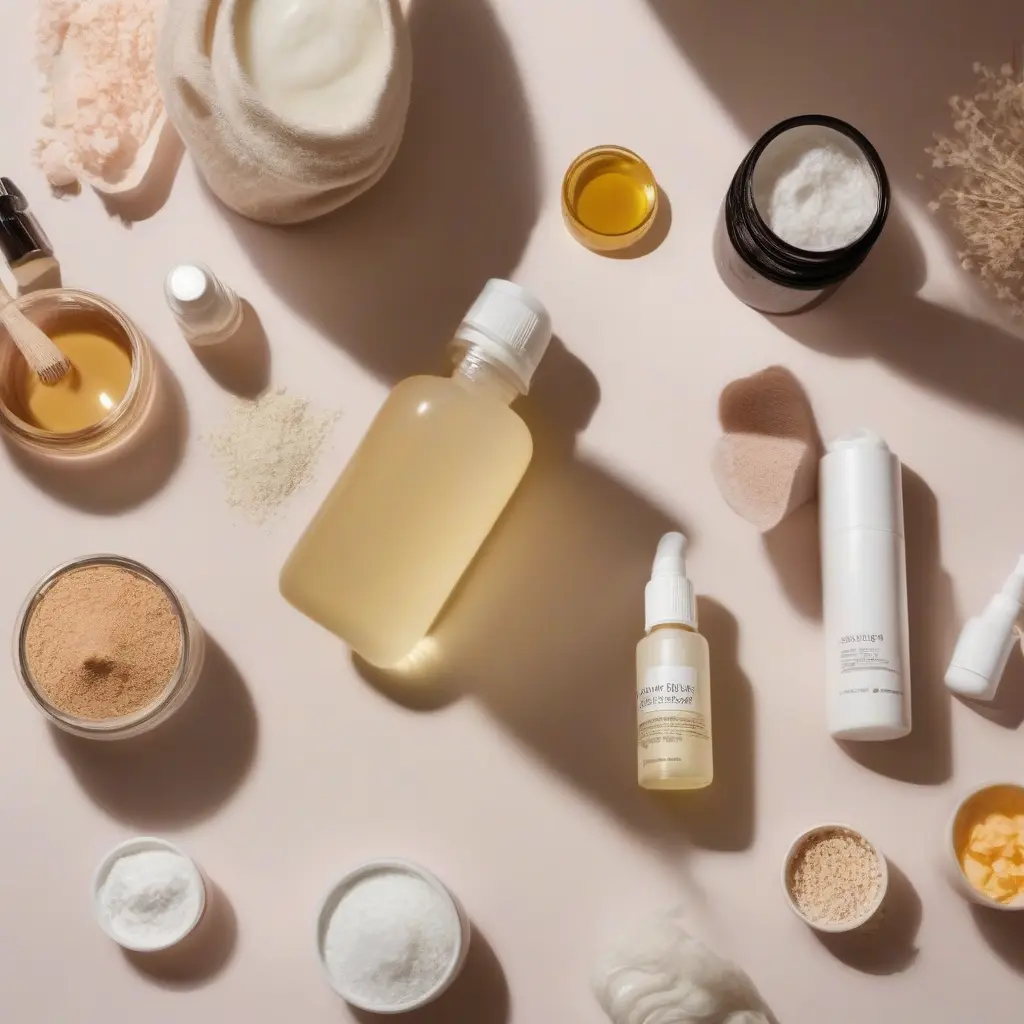
Navigating the world of skincare can be overwhelming, especially with the myriad of ingredients marketed to consumers. Understanding the purposes and benefits of various skincare ingredients is crucial to making informed choices. This article breaks down the most common ingredients found in skincare products, explains their functions, and provides guidance on selecting the right products for your specific skin type. By demystifying these components, readers can develop a more effective and personalized skincare routine.
The Importance of Active Ingredients in Skincare
Active ingredients play a pivotal role in skincare formulations as they deliver specific benefits to the skin. Ingredients such as retinol, salicylic acid, and hyaluronic acid are considered actives due to their proven effects on various skin concerns. Retinol, for example, is renowned for its anti-aging properties, helping to reduce fine lines and improve skin texture. Salicylic acid is effective in treating acne by unblocking pores, while hyaluronic acid excels at hydrating the skin. Understanding these actives can help users selects products that effectively address their skin issues.
Understanding Hydrators and Moisturizers
Hydrators and moisturizers are essential for maintaining skin health, but they serve different purposes. Hydrators, such as glycerin and hyaluronic acid, draw moisture into the skin, providing a plump appearance without adding oil. Conversely, moisturizers contain occlusive agents, like dimethicone and petrolatum, which form a barrier to prevent moisture loss. Choosing the right product depends on your skin type; for oily skin, a lightweight hydrator may suffice, while dry skin types may need both a hydrator and a rich moisturizer to keep skin balanced.
Common Exfoliating Ingredients: A Closer Look
Exfoliation is crucial for maintaining a fresh and vibrant complexion, and it typically involves two types of ingredients: physical and chemical exfoliants. Physical exfoliants, such as sugar or ground walnut shells, manually scrub the skin’s surface. In contrast, chemical exfoliants, like alpha hydroxy acids (AHAs) and beta hydroxy acids (BHAs), work by dissolving dead skin cells through enzymatic reactions. Regular exfoliation can help improve the skin’s texture and promote cell turnover, making it an essential component in many skincare routines.
Antioxidants: Protecting Your Skin from Damage
Antioxidants are key ingredients that help combat environmental stressors such as pollution and UV rays, which can lead to premature aging. Some popular antioxidants in skincare include vitamins C and E, green tea extract, and coenzyme Q10. These ingredients work by neutralizing free radicals, which are unstable molecules that can cause cellular damage. Incorporating antioxidant-rich products into your skincare routine can enhance your skin’s resilience and promote a healthier, more radiant complexion over time.
The Role of Peptides in Skincare
Peptides are short chains of amino acids that play a vital role in rebuilding and repairing the skin. They help stimulate collagen production, leading to improved elasticity and a reduction in visible signs of aging. Skincare products containing peptides can be particularly beneficial for mature skin, as they assist in firming and smoothing the skin’s surface. With various types of peptides available, including signal peptides and carrier peptides, users can target specific concerns, making them an attractive option for many skincare enthusiasts.
Natural vs. Synthetic Ingredients: Which is Better?
The debate between natural and synthetic skincare ingredients continues to be a hot topic among consumers. Natural ingredients are derived from plant and mineral sources and are often perceived as gentler and less likely to cause irritation. However, synthetic ingredients can be formulated for stability and efficiency, offering targeted results for specific skin concerns. Understanding your skin’s unique needs can help you choose the best products, regardless of their origin, as some individuals may react better to one type over the other.
How to Read Skincare Labels Effectively
Reading skincare labels is essential for making informed purchasing decisions. The ingredients are typically listed in descending order by concentration, meaning the first few ingredients make up the bulk of the product. Familiarizing yourself with common terminology and understanding what certain ingredients do can help you avoid allergens or irritants. Additionally, look for products that disclose their percentage of active ingredients, as this can give insight into their potency and effectiveness for specific skin concerns.
Patch Testing: Why It Matters
Patch testing is a critical step in determining whether a new skincare product is right for your skin. By applying a small amount of the product to a discreet area, you can observe for any adverse reactions, such as redness or irritation, before applying it more broadly. This practice is especially important for those with sensitive skin or allergies. Conducting a patch test not only helps protect your skin but can also save you from investing in products that won’t suit your needs.
Finding the Right Products for Your Skin Type
Choosing the right skincare products involves understanding your skin type—be it oily, dry, combination, or sensitive. Oily skin may benefit from lightweight, oil-free products containing ingredients like salicylic acid, while dry skin typically requires richer formulations with hydrators and occlusives. Combination skin needs a tailored approach, often requiring a mix of both. Sensitive skin types should look for fragrance-free and hypoallergenic options. By aligning products with your skin type, you can enhance effectiveness and achieve better skincare results.
The Impact of pH in Skincare
The pH level of skincare products can significantly impact their effectiveness and your skin’s health. The skin’s natural pH is slightly acidic, typically around 4.5 to 5.5. Products that stray too far from this range can disrupt the skin barrier, leading to irritation or breakouts. When choosing products, especially exfoliants and cleansers, it’s essential to consider their pH level. Using pH-balanced products can support your skin’s natural function and help maintain a healthy complexion.
Conclusion
Understanding skincare ingredients is vital for developing an effective routine tailored to your needs. By becoming informed about active ingredients, moisturizers, exfoliants, and more, you can make educated choices and avoid products that may irritate your skin. With proper knowledge, you can achieve glowing, healthy skin that meets your individual concerns.