Mixing patterns and textures can elevate your wardrobe, adding depth and interest to your outfits. The key is to strike the right balance, creating harmonious ensembles that reflect your personal style. In this guide, we will explore essential tips and techniques on how to effectively blend different patterns and textures. From understanding color coordination to selecting the right materials, let’s unlock the secrets to creating stylish and cohesive looks that stand out effortlessly.
Understanding the Basics of Pattern Mixing
Before diving into the art of mixing, it is crucial to grasp the fundamentals of pattern mixing. Different patterns, such as stripes, florals, and checks, can complement or clash when combined. A good rule of thumb is to stick to patterns with a common color palette to ensure cohesion in your outfit. Additionally, utilizing varying sizes of patterns can create an eye-catching contrast that is visually appealing without overwhelming your look.
Choosing a Focal Point
When mixing patterns and textures, it is beneficial to have a focal point in your outfit. This could be a standout piece, like a printed dress or a patterned top, which draws attention first. The remaining elements, such as pants or accessories, should complement this focal piece without competing for attention. By establishing a primary point of interest, you can create a balanced ensemble that feels both stylish and thoughtfully curated.
Utilizing Color Theory
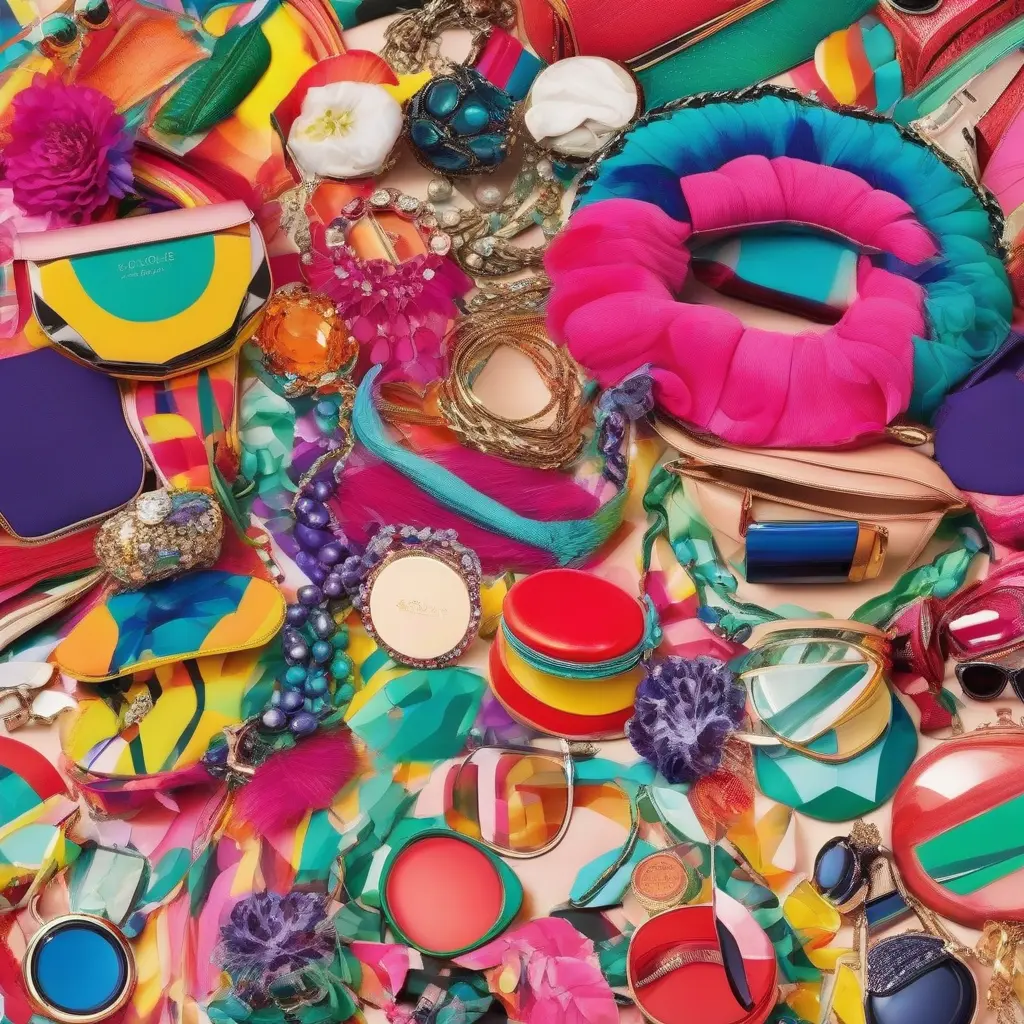
Color theory plays a significant role in mixing patterns and textures. Understanding concepts like complementary, analogous, and monochromatic color schemes can help inform your choices. Complementary colors can create vibrant contrasts, while analogous colors can offer a more subtle, blended appearance. By incorporating colors that enhance each other, you can elevate your outfit’s overall appeal, making your pattern combinations both harmonious and striking.
Incorporating Textures into Your Outfits
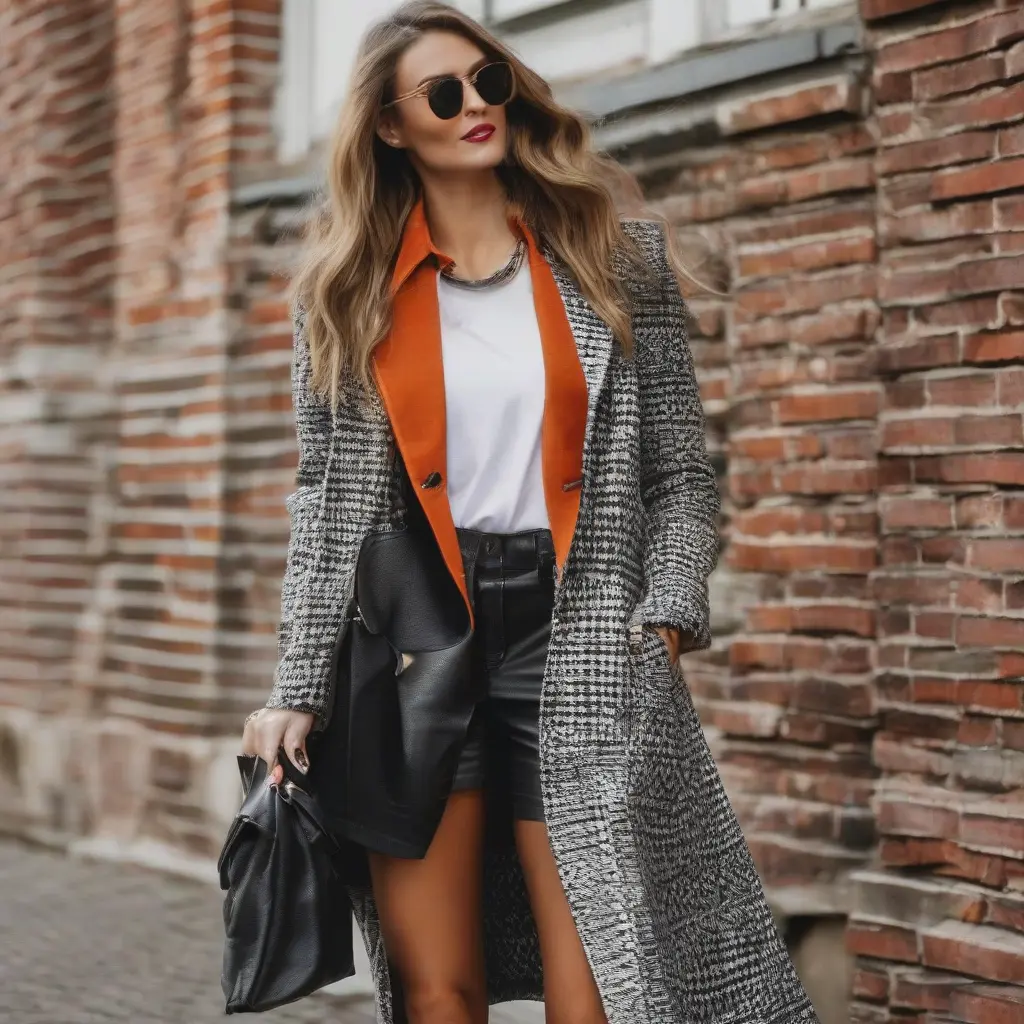
Textures can add another layer of dimension to your outfits, enhancing the visual interest alongside patterns. Consider incorporating varied textures, such as denim, leather, silk, or lace, into your ensemble. Mixing textures works well when you keep a consistent color palette, allowing the unique characteristics of each material to shine without clashing. This thoughtful approach to texture can elevate even the simplest outfit.
Exploring Scale and Proportion
The scale of the patterns is another vital consideration in the mixing process. Pairing large-scale patterns with smaller ones can achieve an appealing contrast while keeping the overall look balanced. For example, a bold floral blouse can be paired with subtle polka-dot trousers, creating a stylish juxtaposition. Always consider the proportions of your outfit to avoid overwhelming any single piece and maintain visual harmony.
Layering Patterns Effectively
Layering provides an excellent opportunity to mix patterns and textures creatively. When layering, choose pieces that vary in length and style, such as a patterned shirt under a textured cardigan or jacket. This approach allows for creativity while keeping the layers connected through color or theme. This strategy can lead to eye-catching outfits that demonstrate your unique style while ensuring the patterns work together cohesively.
Accessorizing to Enhance Your Look
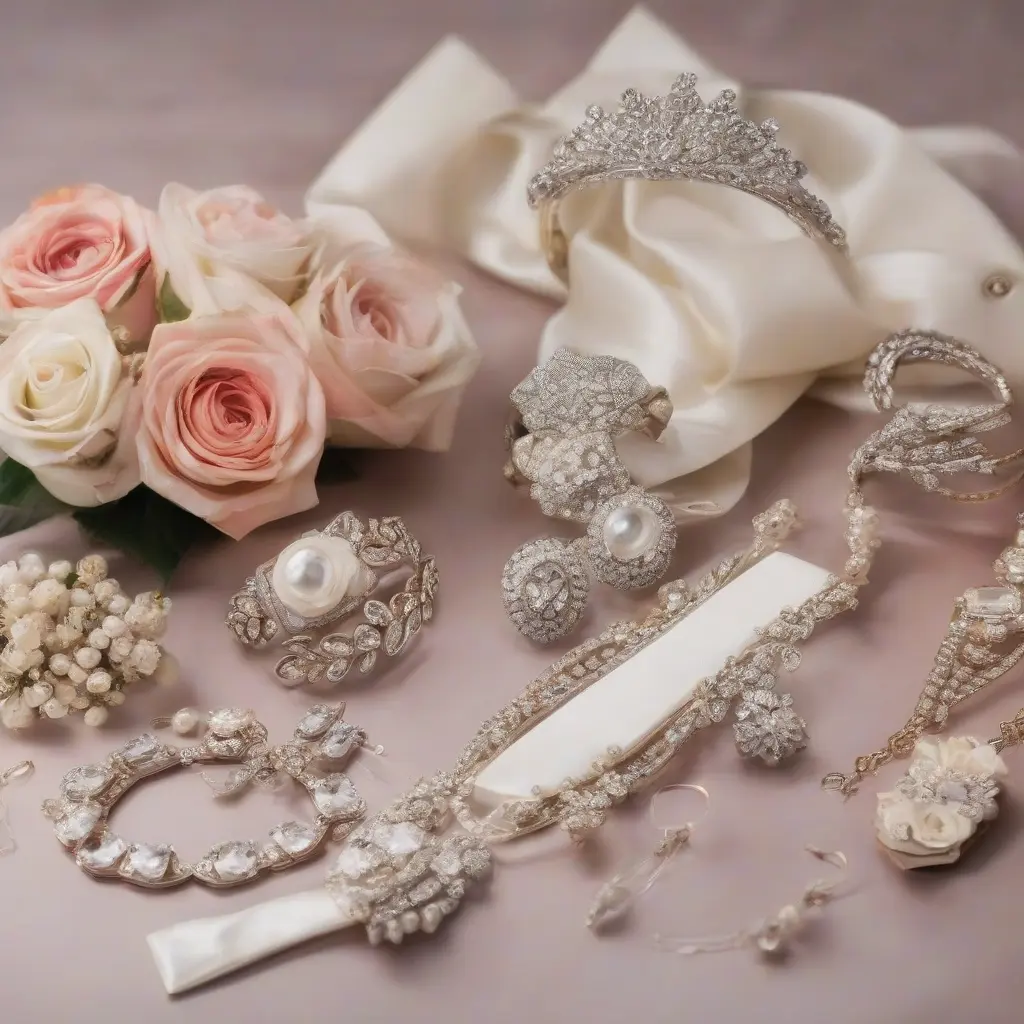
Accessories play a pivotal role in tying together a mixed-patterned outfit. By selecting accessories that pick up colors or patterns from your clothing, you create cohesion in your ensemble. Scarves, hats, and bags can introduce additional textures and patterns without overwhelming the overall look. Thoughtful accessory choices can enhance your outfit, serving as the finishing touch to a stylishly mixed ensemble.
Learning from Fashion Icons
Observing how fashion icons approach mixing patterns and textures can serve as valuable inspiration. Icons like Iris Apfel or Olivia Palermo often experiment boldly, showcasing unique ensembles that exhibit skillful layering, color coordination, and pattern mixing. Analyzing their outfits can provide insights into how to marry diverse styles effectively while maintaining elegance and sophistication, helping you to channel similar aesthetics in your wardrobe selections.
Practical Tips for Everyday Wear
When mixing patterns and textures for everyday wear, practicality is essential. Start with a base outfit consisting of solid colors or neutrals, then gradually introduce patterns and textures as accents. This strategy allows you to experiment without feeling overwhelmed. Over time, you can build confidence in your mixing skills and start pairing bolder patterns together, ensuring your looks remain stylish yet functional for daily activities.
Conclusion
Mixing patterns and textures can transform your outfits from ordinary to extraordinary, adding personality and flair to your style. By mastering the techniques laid out in this guide, such as understanding color theory, exploring scale, and effectively using accessories, you are well on your way to creating harmonious and stylish ensembles. Embrace the art of mixing and unleash your creative potential to express your individuality through fashion.