Layering is not just a practical fashion choice; it’s a style statement that can be adapted to suit every season. This technique allows for versatility, comfort, and warmth while showcasing personal style. Whether you want to stay cozy in winter or look chic in spring, mastering the art of layering can elevate your outfits effortlessly. From choosing the right fabrics to mixing textures and colors, this guide provides a comprehensive approach to layering that caters to all seasons. Read on to discover the key tips and ideas that will help you perfect this styling technique.
Understanding the Basics of Layering
Before diving into seasonal specifics, it’s essential to grasp the principles of effective layering. The idea is to wear multiple garments in a cohesive way that provides both function and style. Start with a base layer, such as a fitted top, which fits snugly against your skin for warmth without bulk. The middle layer adds insulation, while the outer layer protects against elements like wind and rain. This formula ensures you can easily adjust your outfit based on changing temperatures and personal comfort, making layering a practical skill in any wardrobe.
Layering for Spring: Lightweight Fabrics
As the weather warms up, layering in spring can be a delightful challenge. Opt for lightweight fabrics that breathe while still providing enough coverage for unpredictable breezes. A popular choice is pairing a cotton tank top with a light cardigan or denim jacket. You might also consider a floral dress layered with a cropped sweater for added warmth during cool mornings or evenings. The key is to select pastel colors or floral prints to align with spring aesthetics, enhancing your outfit while maintaining comfort and flexibility.
Summer Layering: Embrace Sheer Styles
Summer layering can seem counterintuitive due to the heat, but it’s entirely possible to achieve a stylish look without melting away. Sheer fabrics are ideal as they allow airflow while providing coverage. A sheer kimono over a tank top and shorts not only adds flair but also protects you from sunburn. Lightweight scarves can be added for a pop of color and versatility. The focus should be on textures and lightness, achieving fashionable layers that don’t compromise on comfort during those warm sunny days.
Autumn Layering: Rich Textures and Colors
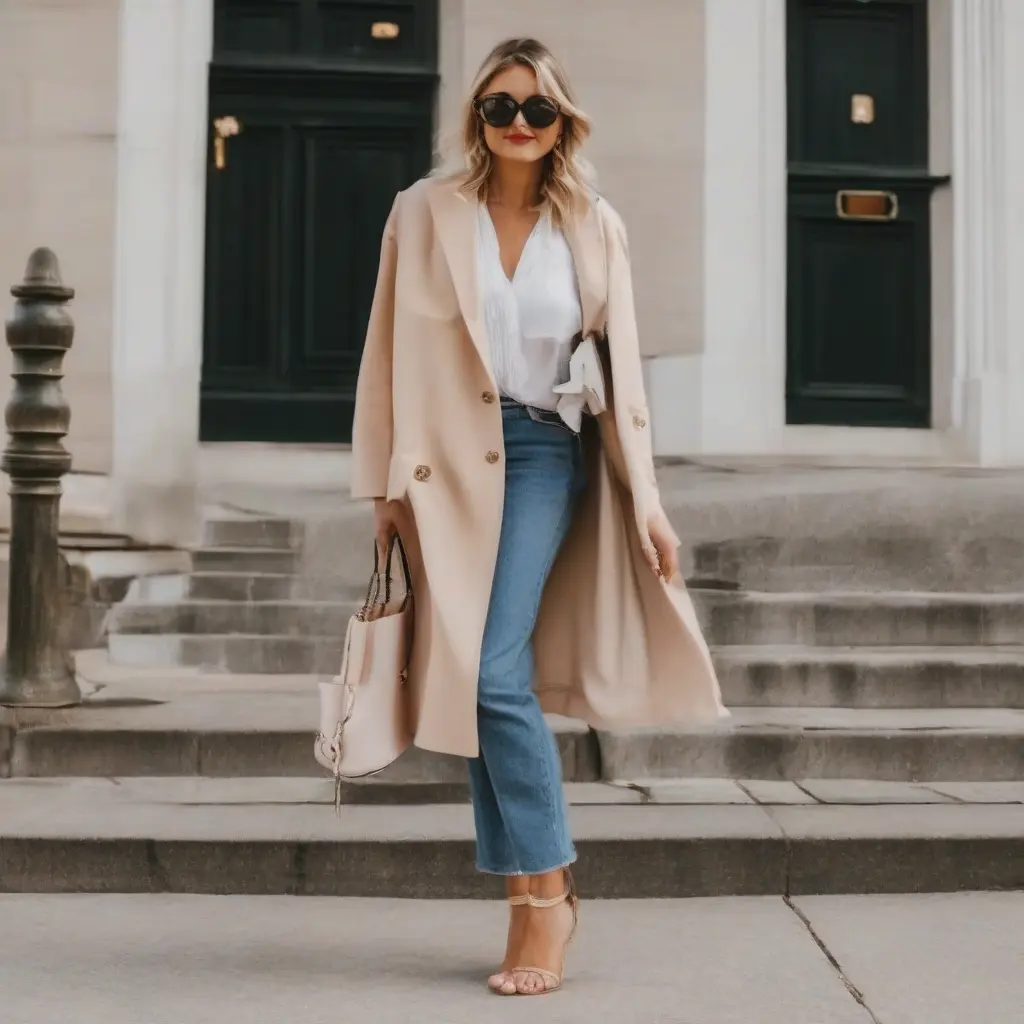
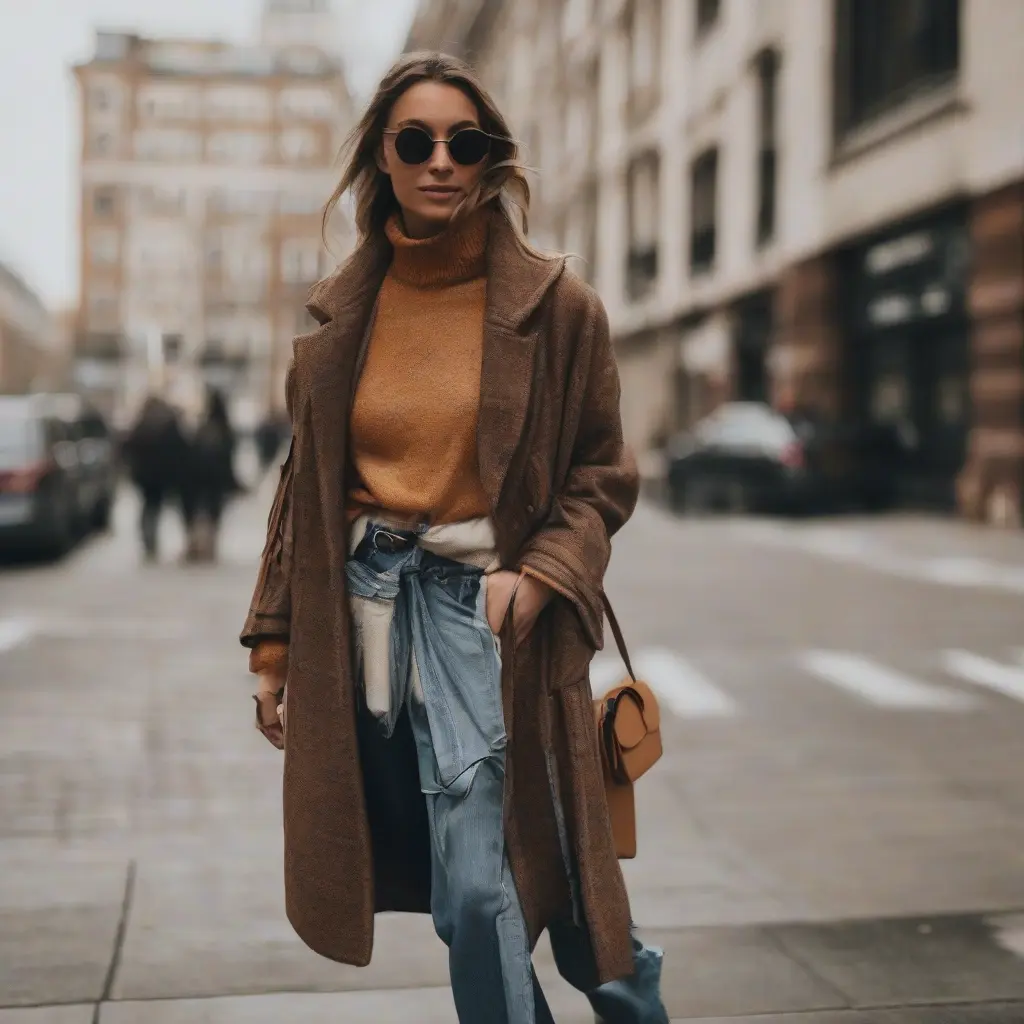
Autumn is the season of texture, making it the perfect time to indulge in layering with cozy materials. Think of pairing a chunky knit sweater with a wrap coat and a scarf for a chic appeal. Layering with earthy tones such as burnt orange, deep green, and rich browns resonates with the changing leaves and enhances your style. Accessories, like beanies or ankle boots, can also be layered into your outfits for additional warmth and character, allowing you to display seasonal trends effortlessly.
Winter Layering: Function Meets Fashion
Winter calls for serious layering to combat the chill, but this doesn’t mean sacrificing style. Start with thermal or wool base layers that guard against the cold. A smart choice is to wear a long-sleeve shirt or turtleneck under a stylish wool cardigan and an insulated jacket. Incorporating accessories such as gloves, scarves, and hats can elevate your entire look. Opt for darker colors or classic patterns like plaids, which are timeless and versatile, making winter layering not just practical but also fashionable.
Mixing Prints and Patterns
While layering, don’t shy away from mixing prints and patterns; it adds depth and personality to your outfits. Start by combining different prints within the same color palette to avoid clashing. For instance, a striped shirt under a plaid jacket can create an eye-catching juxtaposition while remaining cohesive. Use smaller prints in your layers, such as polka dots or florals, with larger ones, which helps keep the look balanced. This playful approach enhances your style and allows for creativity while building your wardrobe.
Choosing the Right Footwear
Footwear is a crucial aspect of any layered outfit, influencing both comfort and style. When layering, consider the occasion and the weather to choose the right shoes. Ankle boots work beautifully with both spring and autumn layers, while sandals can be perfect for summer looks. In winter, opt for stylish yet insulated boots to keep your feet warm and fashionable. Metallics or printed footwear can also serve as statement pieces, tying your entire layered look together while adding a trendy touch.
Accessorizing Your Layers
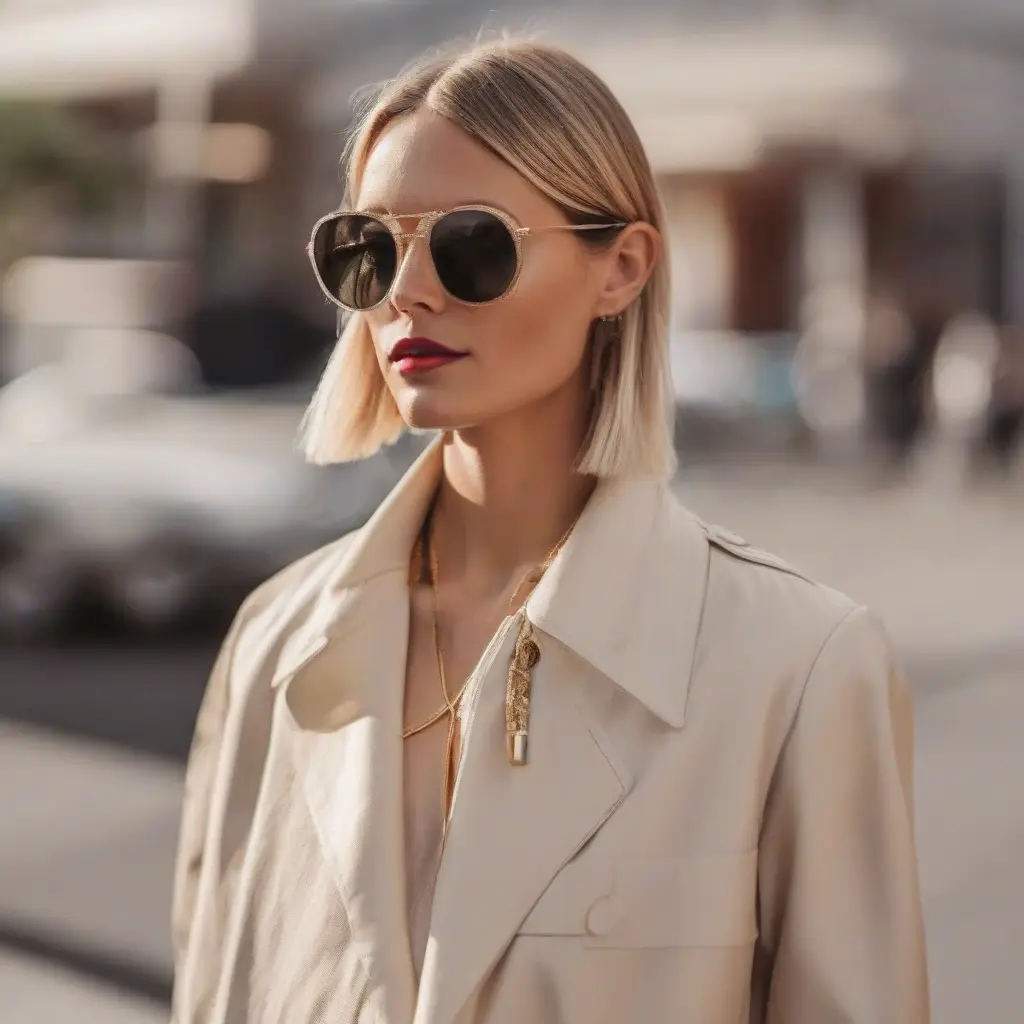
Accessories play a pivotal role in enhancing layered outfits, acting as the finishing touches that complete the look. Begin with scarves or shawls for extra warmth and style; they can also add color and texture to an otherwise basic outfit. Jewelry such as layered necklaces or chunky bracelets can introduce an element of sophistication. Don’t forget about bags—opt for crossbody bags or stylish backpacks that maintain a balanced silhouette. Thoughtful accessorizing can transform layered looks from ordinary to extraordinary, reflecting your unique sense of style.
Layering for Different Body Types
Understanding how to layer clothes for your body type can make a significant difference in achieving a flattering look. For example, if you’re curvier, opt for structured outer layers that provide shape while avoiding clingy fabrics. Tall individuals can play with longer silhouettes, such as duster coats, to enhance their height. Those with smaller frames should focus on lighter layers that don’t overwhelm the body. Dressing in layers allows every body type to express personal style while ensuring comfort and confidence.
Conclusion
Mastering the art of layering empowers individuals to transition through the seasons while expressing their distinct style. Each season presents unique opportunities to play with textures, colors, and accessories, ensuring a diverse wardrobe. By understanding the principles of layering and adapting them to your body type and personal fashion sense, you can confidently embrace this versatile trend all year long. Diving into layering can transform not just your outfits but your overall approach to fashion.