Accessorizing is both an art and a science, helping to elevate any outfit from ordinary to extraordinary. Mixing and matching accessories can be daunting, but with some thoughtful strategies, you can achieve a balanced and harmonious look. The key lies in understanding how colors, styles, and proportions interact. This comprehensive guide walks you through the elements of effective accessory pairing, providing insights into creating a cohesive appearance that reflects your personal style while ensuring balance and sophistication.
Understanding Color Coordination
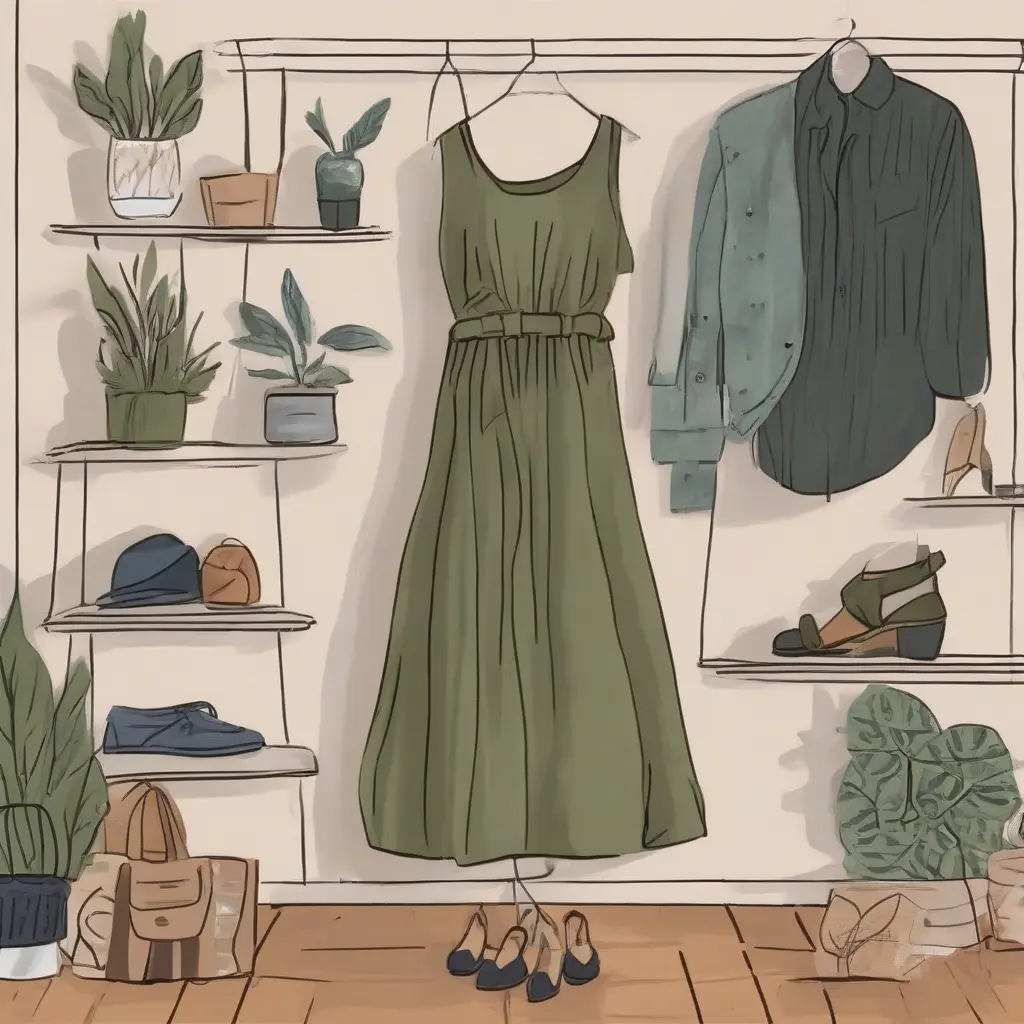
Color plays a crucial role in how accessories complement an outfit. To achieve a balanced look, consider the color wheel and select accessories that harmonize or provide a pleasing contrast. Neutral colors, such as black, white, and beige, can serve as a versatile backdrop, allowing brighter or bolder colors to shine. Additionally, using complementary colors can create visual interest without overwhelming the ensemble. Aim for a maximum of three colors in your accessories to prevent clashing and maintain focus on your overall appearance.
Choosing the Right Materials
The materials of your accessories can significantly impact the overall vibe of your outfit. Mixing textures, such as pairing leather with denim or silk with cotton, can create visual depth and intrigue. To maintain a balanced look, however, ensure the materials are appropriate for the occasion and season. For instance, lightweight fabrics work best in summer, while thicker materials may be more suitable for fall and winter. By thoughtfully selecting the right materials, you can enhance your outfit’s cohesiveness and overall aesthetic appeal.
Balancing Proportions
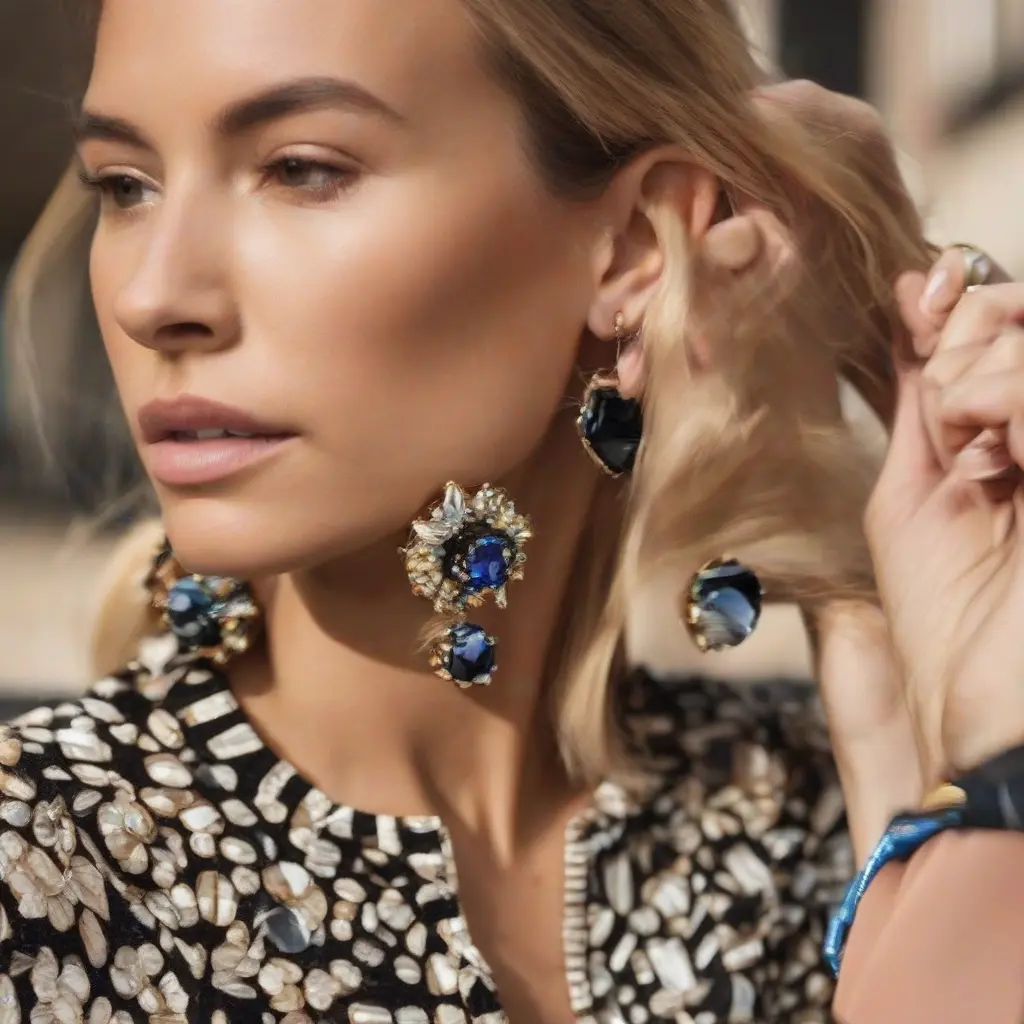
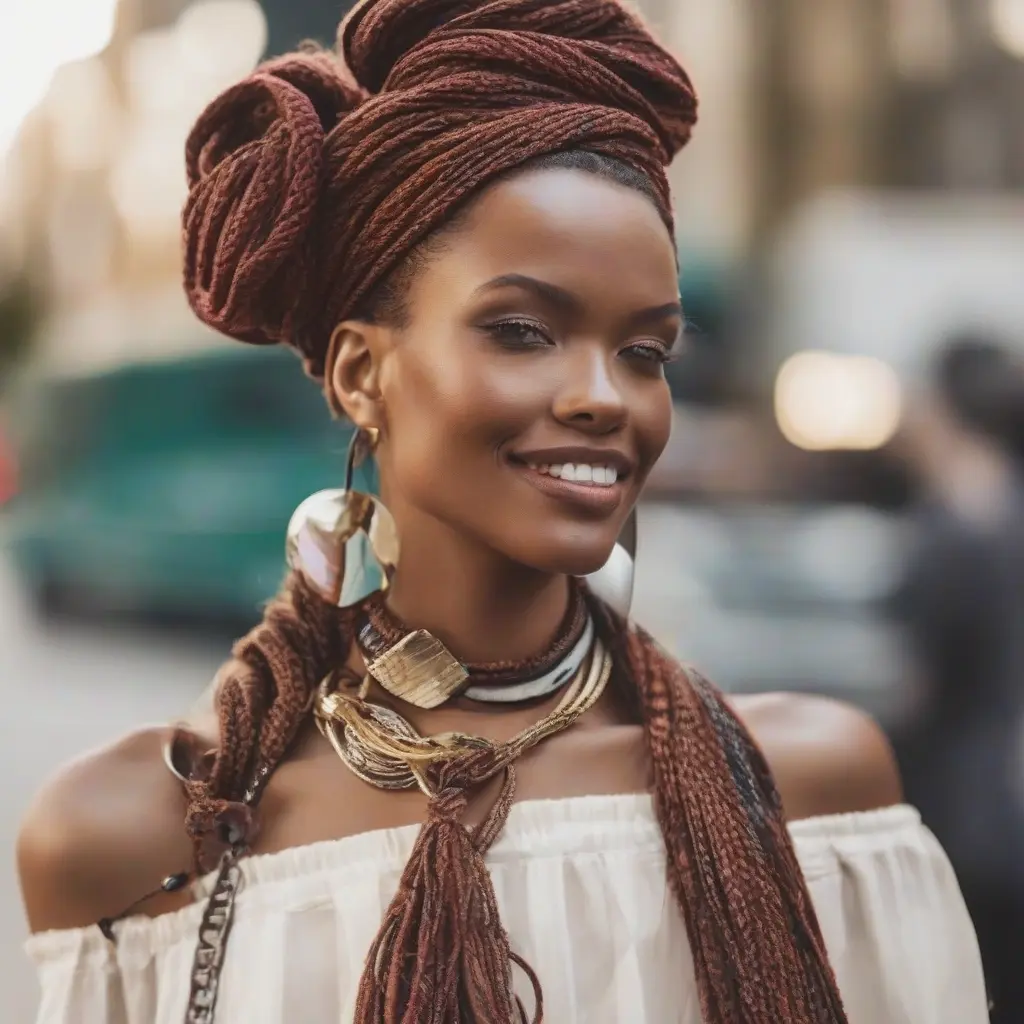
Proportions are essential in creating a visually balanced look with accessories. Larger, statement accessories can dominate an outfit, so it’s important to balance these pieces with more understated ones. For example, if you’re wearing bold earrings, consider wearing a simple necklace to create equilibrium. Additionally, mixing different sizes of accessories can provide a dynamic yet harmonious appearance. Pay attention to body proportions as well; taller individuals may benefit from longer accessories, while shorter individuals might find that smaller pieces are more flattering.
Layering Accessories Effectively
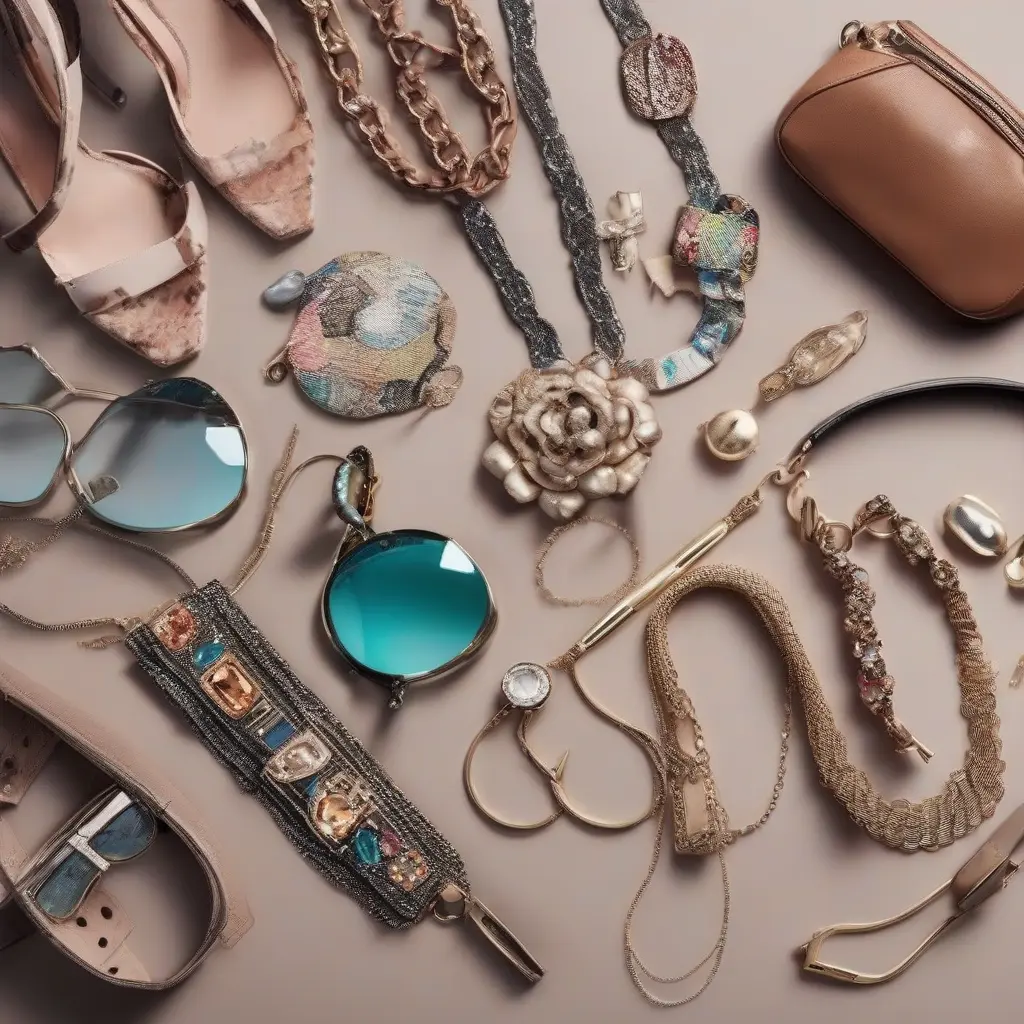
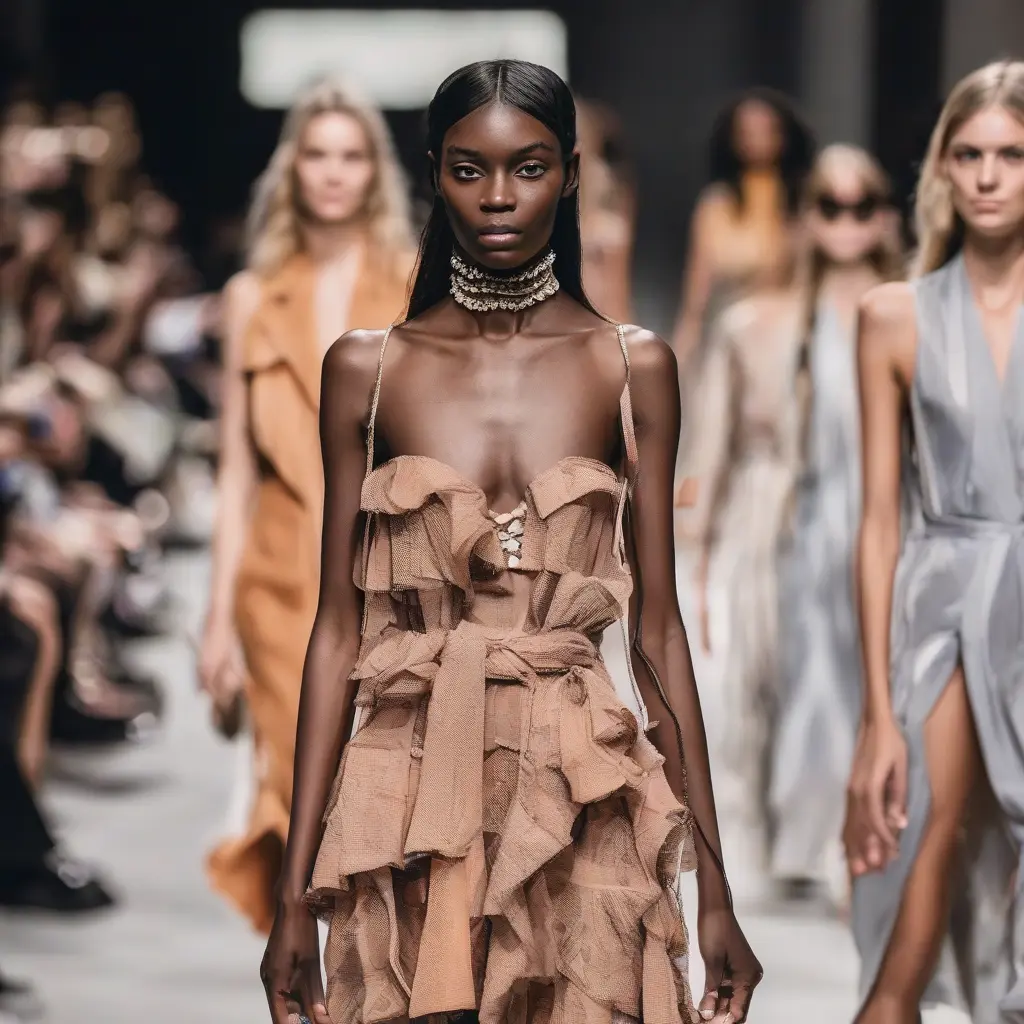
Layering is a popular trend in accessorizing, but it requires finesse to ensure that the look remains balanced. When layering necklaces or bracelets, try varying lengths and thicknesses to create visual interest without overcrowding. Start with a base piece that’s more subtle, then add additional layers that enhance rather than overpower. For example, a simple chain necklace can be beautifully complemented by a bolder pendant or a choker, creating a chic layered effect. Remember to maintain consistency in color and material to avoid any jarring contrasts.
Incorporating Statement Pieces
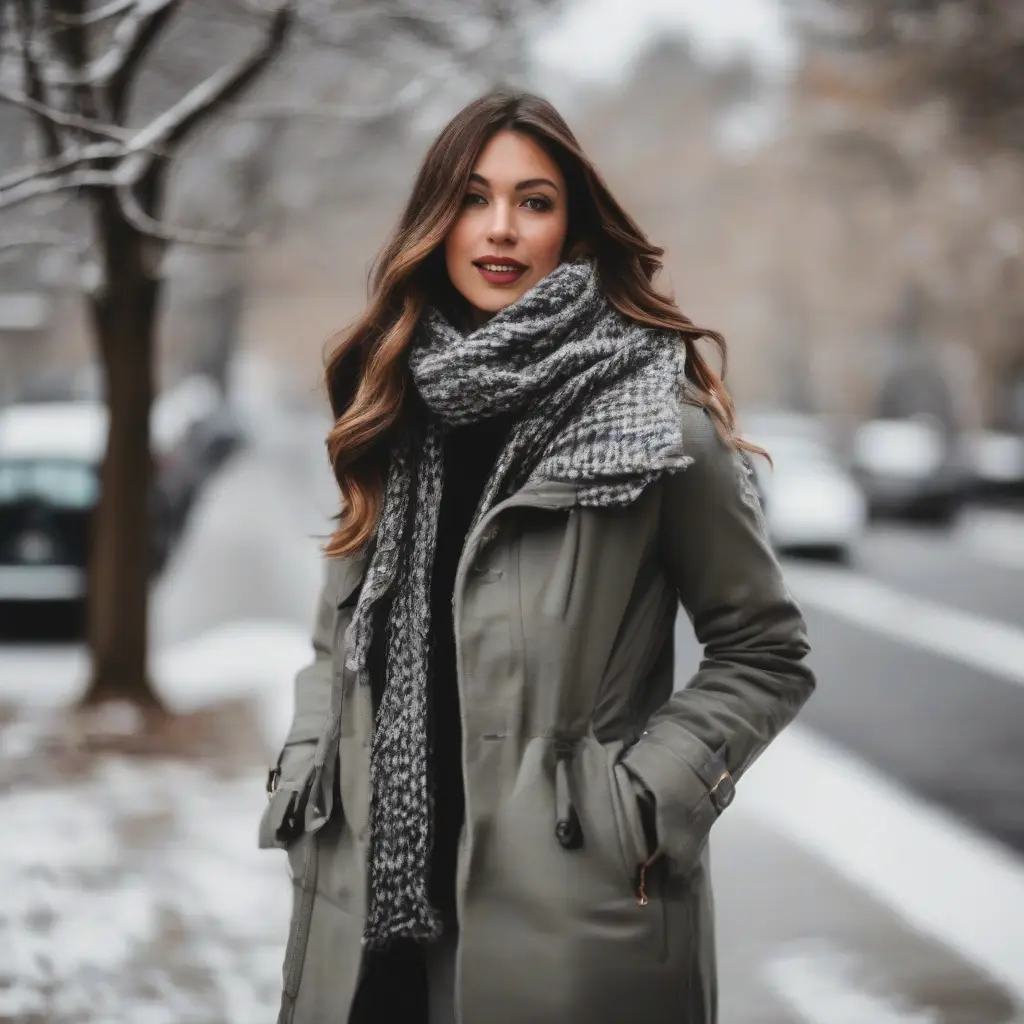
Statement accessories can be a fantastic way to showcase your personality, but moderation is key to keeping the overall look balanced. These bold items, whether a chunky ring, oversized handbag, or vivid scarf, should act as focal points rather than dominate the entire outfit. Pairing a statement piece with more subdued items helps highlight its uniqueness without creating chaos. For example, if you choose a bright handbag, consider muted colors for your clothing and other accessories to draw attention without overwhelming your look.
Adapting Accessories for Different Occasions
When selecting accessories, it’s important to adapt your choices based on the occasion. Casual settings may allow for more playful combinations, while formal events often call for more elegant, understated pieces. Consider the overall vibe of your outfit and the event type to guide your accessory choices. A simple dress can be elevated with the right statement necklace for a party, while work attire may benefit from classic, minimalist pieces. Being mindful of the context ensures that your look remains polished and appropriate, reinforcing your style.
Emphasizing Personal Style
Ultimately, the goal of mixing and matching accessories is to express your personal style. Trends can serve as inspiration, but it’s essential to choose pieces that resonate with you and align with your tastes. Build a collection of accessories that you love and feel confident wearing. Whether your style is bohemian, minimalist, or eclectic, let it guide your accessory choices. Emphasizing personal style not only ensures that you feel comfortable but also allows your unique personality to shine through in your overall appearance.
Conclusion
Mixing and matching accessories is a fantastic way to enhance your wardrobe and express your individuality. By understanding color coordination, materials, proportions, and personal style, you can create balanced looks that cater to any occasion. Remember, the key is to find harmony among your accessories while maintaining a reflection of your personality. With these tips, you’ll be well on your way to mastering the art of accessorizing.