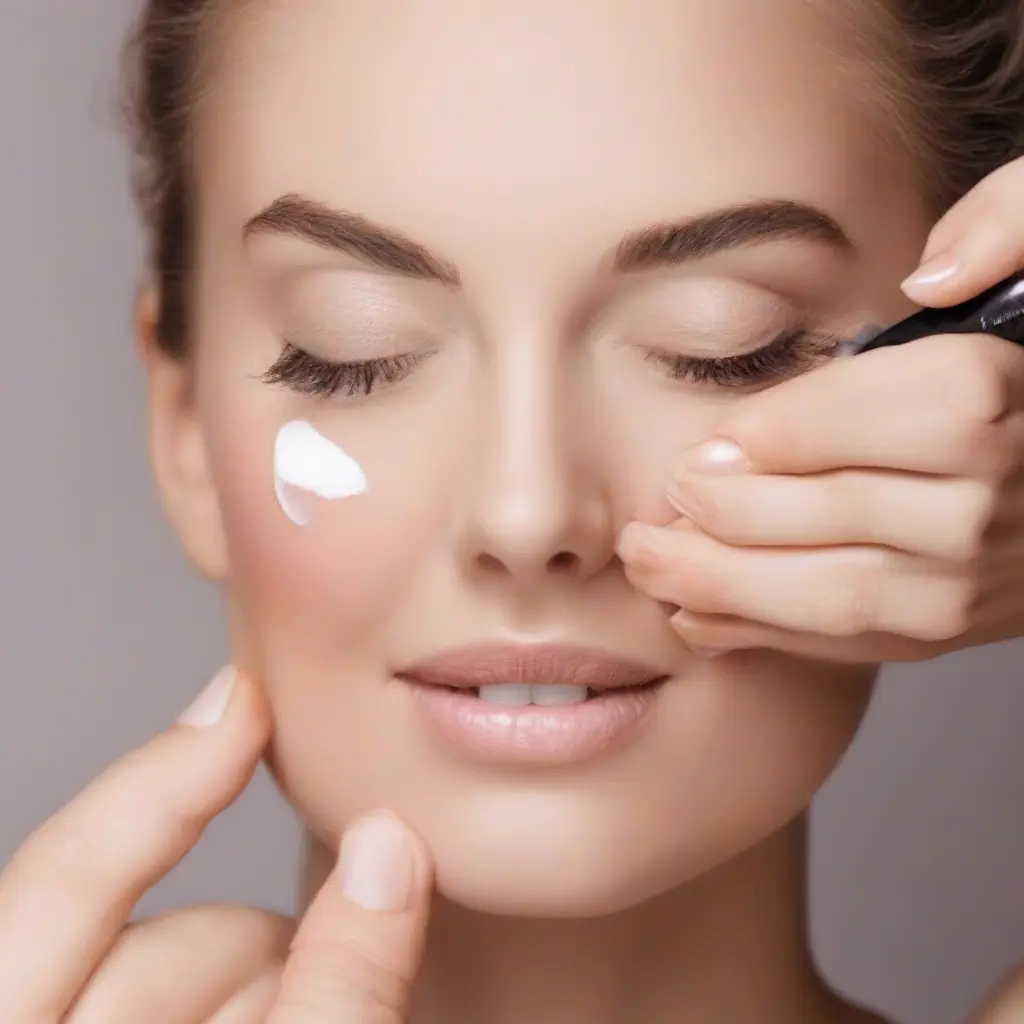
Selecting the right foundation is crucial for achieving a flawless makeup look. With countless options available, understanding your skin type is essential in making an informed choice. Different foundations cater to specific needs, whether your skin is oily, dry, combination, or sensitive. Knowing how these factors play into foundation selection can enhance both appearance and wearability. This guide will explore various foundations, ingredients, and application tips tailored to each skin type, ensuring you find the perfect match for a radiant finish.
Understanding Your Skin Type
Before choosing a foundation, it’s vital to identify your skin type. The common categories include oily, dry, combination, and sensitive skin. Oily skin often produces excess sebum, resulting in shine and potential breakouts. Dry skin may feel tight or itchy, frequently indicating the need for hydration. Combination skin shows characteristics of both oily and dry areas, particularly in the T-zone. Sensitive skin tends to react easily to products, requiring gentle, non-irritating formulas. Knowing your skin type will guide you toward selecting the right foundation that complements and enhances your natural beauty.
Foundation Formulations Explained
Foundations come in various formulations, each catering to different skin types. Liquid foundations are versatile and can offer varying coverage levels, making them suitable for most skin types. Cream foundations usually provide more coverage and are ideal for dry skin, while powder foundations work wonders for oily skin by absorbing excess oil. Stick foundations are travel-friendly and suitable for quick touch-ups. Additionally, there are mousse and gel foundations, which provide a lightweight feel for a natural finish. Understanding these formulations aids in choosing a product that aligns with your skin’s unique needs.
Identifying Ingredients that Benefit Your Skin
The ingredients in foundation play a significant role in how they interact with your skin. For oily skin, look for oil-free or matte-finish options containing salicylic acid, which can help control shine and reduce breakouts. Dry skin can benefit from hydrating ingredients like glycerin and hyaluronic acid, which provide moisture and create a dewy appearance. For sensitive skin types, foundations with calming ingredients, such as aloe vera or chamomile, are ideal. Choosing foundations with beneficial ingredients tailored to your skin type can enhance your complexion and improve overall makeup longevity.
Color Matching for a Flawless Finish
Finding the right color match for your foundation is crucial for achieving a natural look. A well-matched foundation blends seamlessly into your skin, concealing imperfections without appearing cakey. Test foundations on your jawline, as this area often reflects your true skin tone. Consider your undertone—warm, cool, or neutral—when selecting a shade. Warm undertones typically suit yellow or peach-based foundations, while cool undertones do better with pink or blue hues. Neutral undertones can experiment with both categories. Investing time in color matching helps ensure your foundation looks natural and radiant.
Testing Foundations Before Purchase
Testing foundations before purchasing is essential for ensuring you get the right match. Many beauty stores offer testers; take advantage of this opportunity to try different shades and formulations. Apply a small amount on your jawline or wrist and observe how it interacts with your skin over time. Pay attention to the finish, coverage, and how it feels throughout the day. Additionally, consider factors like how it looks in different lighting conditions. Sampling various products provides insight into what works best for your skin type and personal preferences.
Understanding Coverage Levels
Coverage levels in foundation vary widely and should align with your desired makeup look. Foundations typically come in sheer, medium, and full coverage options. Sheer foundations provide minimal coverage, allowing your natural complexion to shine through, making them ideal for daytime wear. Medium coverage offers a balance, covering minor imperfections without masking the skin entirely. Full coverage foundations are perfect for special occasions or photoshoots, efficiently concealing blemishes and uneven skin tones. Knowing the coverage level you prefer can influence your foundation choice and help create your desired makeup aesthetic.
Special Considerations for Specific Skin Types
Each skin type has unique considerations that can impact foundation performance. For oily skin, opt for mattifying formulas that can control shine and prevent breakouts. Dry skin, on the other hand, benefits from foundations enriched with moisturizing ingredients and a dewy finish for a glow. Combination skin can often switch between different formulas, depending on the areas of concern. Sensitive skin types should always seek foundations labeled as hypoallergenic and non-comedogenic to prevent irritation. These special considerations ensure you choose a foundation that will perform well for your specific skin condition.
Application Techniques for a Smooth Finish
The method of application plays a significant role in how foundation appears on your skin. Tools like brushes, sponges, or fingers each yield different results. A damp makeup sponge can create a seamless, natural finish, while a brush may provide more coverage. Fingertips are ideal for sheer foundation applications, blending the product into the skin. Regardless of the tool used, always start with a clean and moisturized face for the best outcome. Experimenting with application techniques can help you discover what suits your skin type and desired look best.
Setting Your Foundation for Longevity
Setting your foundation correctly ensures its longevity throughout the day. After applying your foundation, use a setting powder to lock it in place, particularly for oily skin types. For dry skin, a setting spray may be preferable, providing hydration while helping to keep the foundation intact. Additionally, translucent powders can create a flawless finish without adding bulk. Make sure to touch up as needed during the day, especially in areas prone to shine. Proper setting techniques can enhance both the look and durability of your foundation, promoting a polished appearance.
Reviewing Popular Foundation Brands
When selecting a foundation, considering popular brands renowned for quality can be helpful. Brands like Fenty Beauty, Estée Lauder, and Maybelline offer a wide array of formulations designed to suit various skin types. Fenty Beauty is praised for its extensive shade range and inclusive formulas, catering to all undertones. Estée Lauder’s Double Wear foundation is hailed for its long-lasting finish, perfect for all skin types. Meanwhile, Maybelline provides budget-friendly yet effective options for daily wear. Researching popular brands ensures you explore trusted products backed by positive reviews.
Conclusion
Choosing the right foundation for your skin type is crucial in achieving an ideal makeup look. By understanding your skin’s specific needs and preferences, you can navigate the diverse options available to select a product that enhances your natural beauty. With the right formulation, color match, and application techniques, you can ensure a flawless finish that lasts throughout the day. Personal experimentation will further refine your choices, empowering you to feel confident and beautiful with every application.