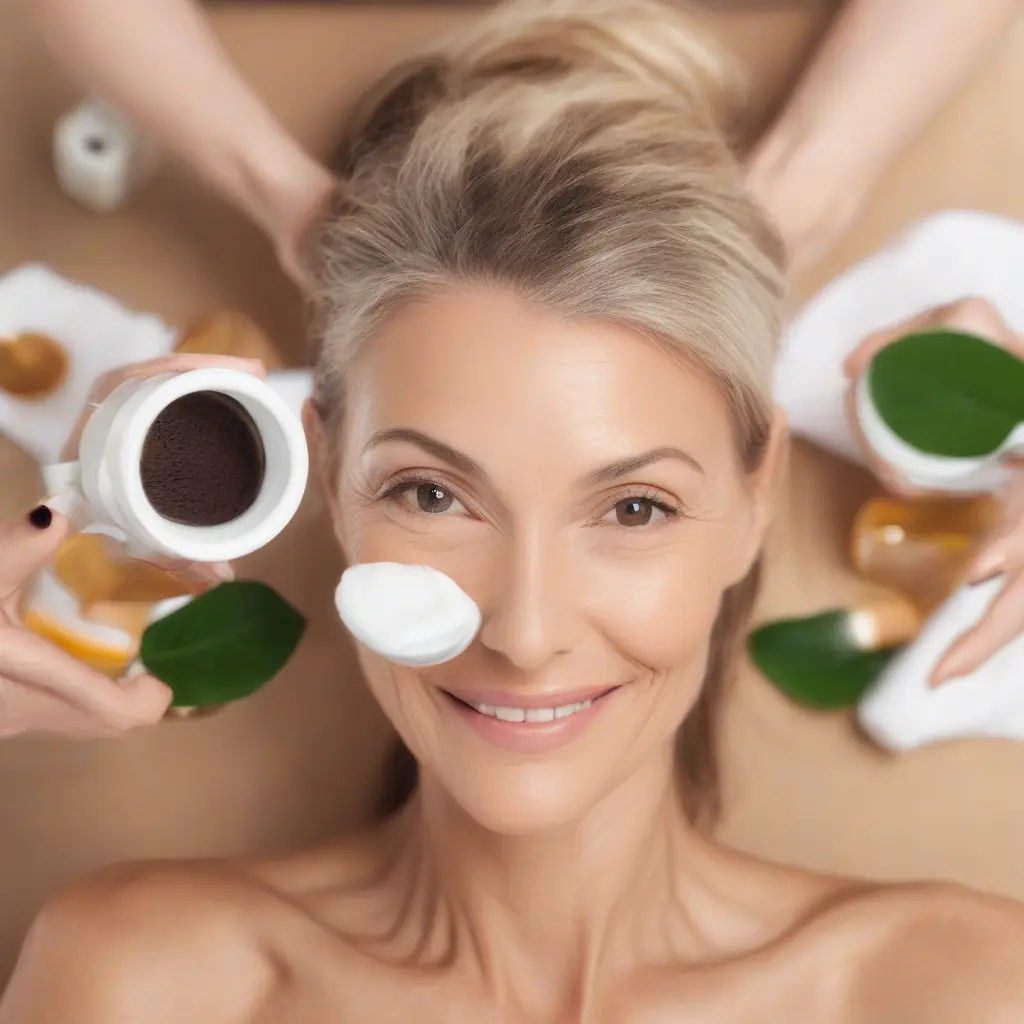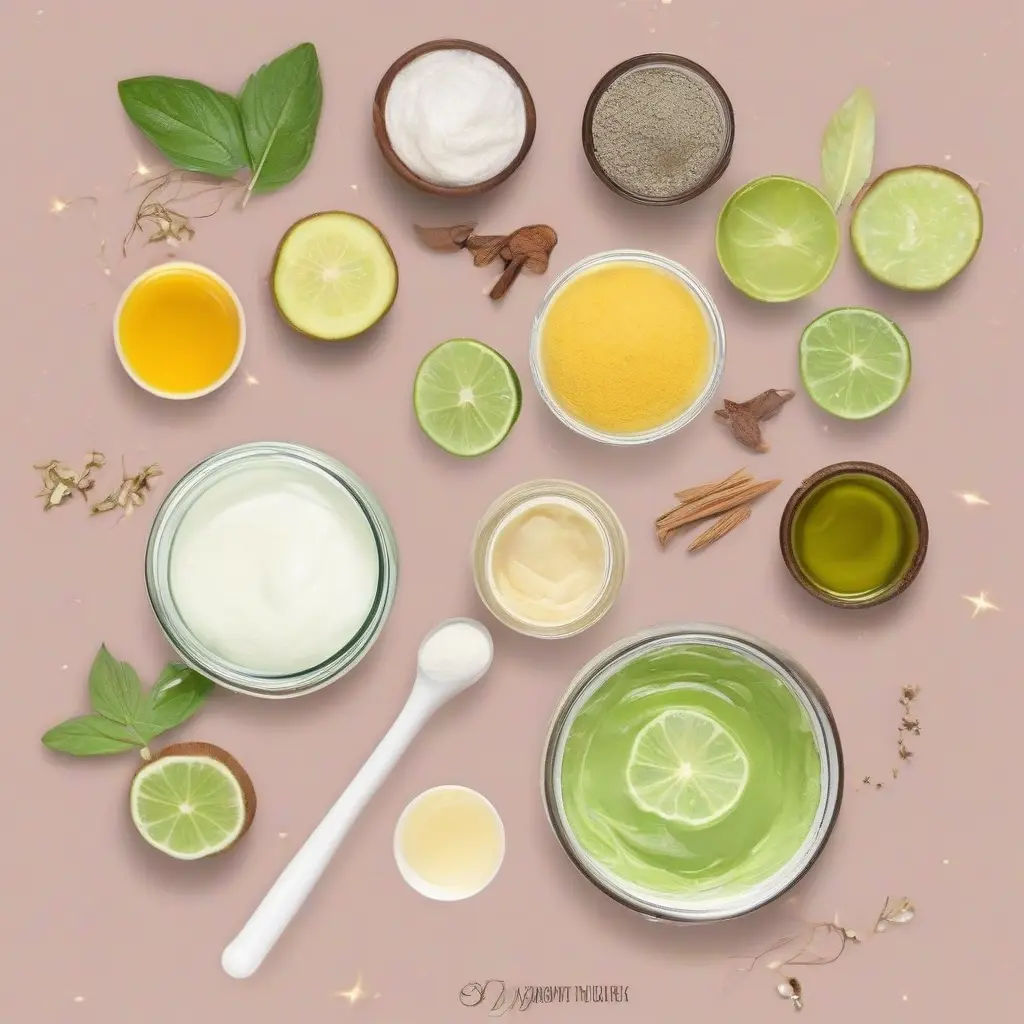
In today’s world, many are turning to DIY face masks made from natural ingredients to achieve radiant skin. These masks not only provide nourishment and hydration but also allow users to personalize their skincare routine by selecting ingredients that cater to specific skin types. With the rise of eco-conscious living, natural face masks are a viable alternative to commercial products laden with chemicals. This article explores various natural ingredients, their benefits, and simple recipes for effective DIY face masks to help you achieve a glowing complexion.
Benefits of DIY Face Masks
DIY face masks offer numerous benefits, primarily due to their natural ingredients. Unlike store-bought masks, which may contain preservatives and artificial additives, homemade versions are typically free from harmful chemicals. This promotes skin health and minimizes the risk of allergic reactions. Furthermore, DIY masks can be tailored to specific skin concerns such as dryness, acne, or aging. They are cost-effective, using ingredients readily available in your kitchen, and encourage a more mindful approach to skincare.
Choosing the Right Natural Ingredients
Selecting the appropriate natural ingredients for your face masks is essential for optimal results. Different ingredients cater to various skin types and concerns, so understanding your skin’s needs will guide your choices. For dry skin, ingredients like honey and avocado work wonders, while oily skin may benefit from clay or tea tree oil. Sensitive skin often responds well to oatmeal and aloe vera. Additionally, using fresh and organic ingredients can enhance the mask’s effectiveness, ensuring your skin receives the best possible care.
Honey for Hydration
Honey is a powerhouse ingredient in natural skincare due to its humectant properties, meaning it attracts and retains moisture. This attribute makes honey an excellent choice for hydrating dry skin. Additionally, its natural antibacterial properties can help soothe acne-prone skin, making it a versatile ingredient. Mixing honey with other natural ingredients like yogurt or avocado can enhance its moisturizing effects, providing a nourishing mask that leaves your skin feeling soft and radiant.
Avocado for Nourishment
Avocado is rich in healthy fats, vitamins, and antioxidants, making it an excellent ingredient for nourishing the skin. Its vitamins E and C are particularly beneficial for maintaining skin elasticity and combatting oxidative stress. To create a nourishing mask, simply mash ripe avocado and mix it with honey or yogurt for added hydration. This combination promotes soft, supple skin while providing essential nutrients, effectively rejuvenating your complexion.
Yogurt for Brightening
Yogurt contains lactic acid, which gently exfoliates the skin, removing dead skin cells and promoting a brighter complexion. Its probiotic content also helps maintain the skin’s natural barrier, making it suitable for various skin types. For a simple brightening mask, combine plain yogurt with honey and a splash of lemon juice. This mask not only invigorates the skin but also helps even out skin tone, leaving your face feeling refreshed and luminous.
Oatmeal for Soothing
Oatmeal is a gentle yet effective ingredient for calming irritated or sensitive skin. It contains anti-inflammatory properties that help reduce redness and soothe discomfort. A simple oatmeal mask can be created by mixing ground oats with water or yogurt until a paste forms. This soothing mask helps to hydrate the skin while providing a barrier against environmental irritants, making it a great choice for those with sensitive skin or conditions like eczema.
Green Tea for Anti-Aging
Green tea is renowned for its antioxidant properties, which play a crucial role in fighting the signs of aging. The polyphenols in green tea help reduce inflammation and protect the skin from free radical damage. To create an anti-aging mask, brew a strong cup of green tea, let it cool, and mix it with honey and a splash of lemon juice. This refreshing mask not only rejuvenates the skin but also provides a natural glow, helping to keep wrinkles at bay.
Cucumber for Refreshing
Cucumber is known for its high water content and cooling properties, making it perfect for refreshing tired or puffy skin. It also contains antioxidants that help combat inflammation, making it an ideal ingredient for a revitalizing face mask. To utilize cucumber, puree it and mix it with yogurt or honey. This hydrating mask is especially beneficial after sun exposure or a long day, giving the skin a rejuvenated and refreshed look.
Clay for Detoxifying
Clay masks are fantastic for detoxifying the skin, especially for those with oily or acne-prone skin. Clay works by drawing out impurities and excess oil, cleansing the pores effectively. Various types of clay, such as bentonite or kaolin, can be used, often mixed with hydrating ingredients like honey or aloe vera. By applying a clay mask regularly, you can help control oil production and maintain a clear, healthy complexion.
Essential Oils for Aromatherapy
Incorporating essential oils into your DIY face masks can elevate your skincare routine with their numerous benefits. Essential oils like tea tree oil, lavender, or frankincense provide not only therapeutic properties but also delightful aromas for a relaxing experience. Always dilute essential oils with a carrier oil, such as jojoba or coconut oil, before applying them to your skin. A few drops blended into a mask can enhance its effectiveness, targeting specific skin concerns while promoting overall well-being.
How to Apply DIY Face Masks
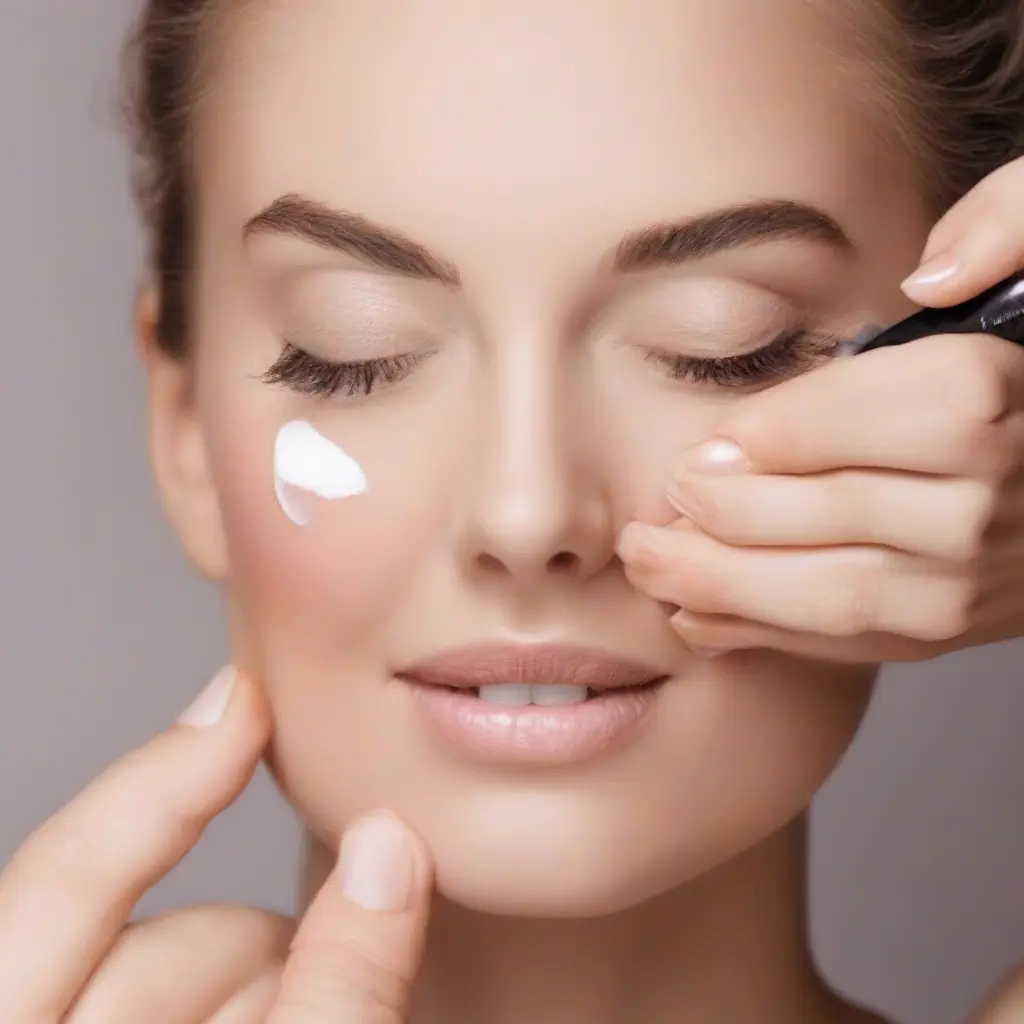
Applying DIY face masks requires a few simple steps to ensure you maximize their benefits. Start with a clean face to allow the ingredients to penetrate the skin effectively. Use a brush or your fingers to apply an even layer of the mask, avoiding the delicate eye area. Relax and leave the mask on for the recommended time, usually around 10-20 minutes, allowing the ingredients to work their magic. Finally, rinse off thoroughly with lukewarm water, followed by a gentle pat dry and regular moisturizer.
Frequency of Use
The frequency of using DIY face masks can depend on your skin type and the specific ingredients used. For most skin types, applying a mask once or twice a week is sufficient to reap the benefits without overwhelming the skin. However, if you have sensitive skin, consider starting with bi-weekly applications to see how your skin reacts. Adjust the frequency based on your skin’s needs and ensure to always follow up with hydration to maintain balance.
Potential Allergies and Reactions
While natural ingredients are generally safer, allergies and skin reactions can occur. It’s crucial to perform a patch test before applying a new mask, particularly if it contains ingredients like essential oils or citrus. Apply a small amount on your wrist or behind your ear and wait for 24 hours to check for any adverse reactions. If irritation occurs, discontinue use immediately and consult a dermatologist for further advice. This precaution ensures that your DIY skincare experience remains safe and enjoyable.
Conclusion
DIY face masks made from natural ingredients not only promote radiant skin but also offer a personalized skincare experience. By understanding the benefits of each ingredient and how they cater to various skin types, individuals can create their own effective masks at home. Regular use, coupled with mindfulness regarding potential reactions, can result in healthier, glowing skin, making DIY face masks a rewarding addition to any beauty routine.