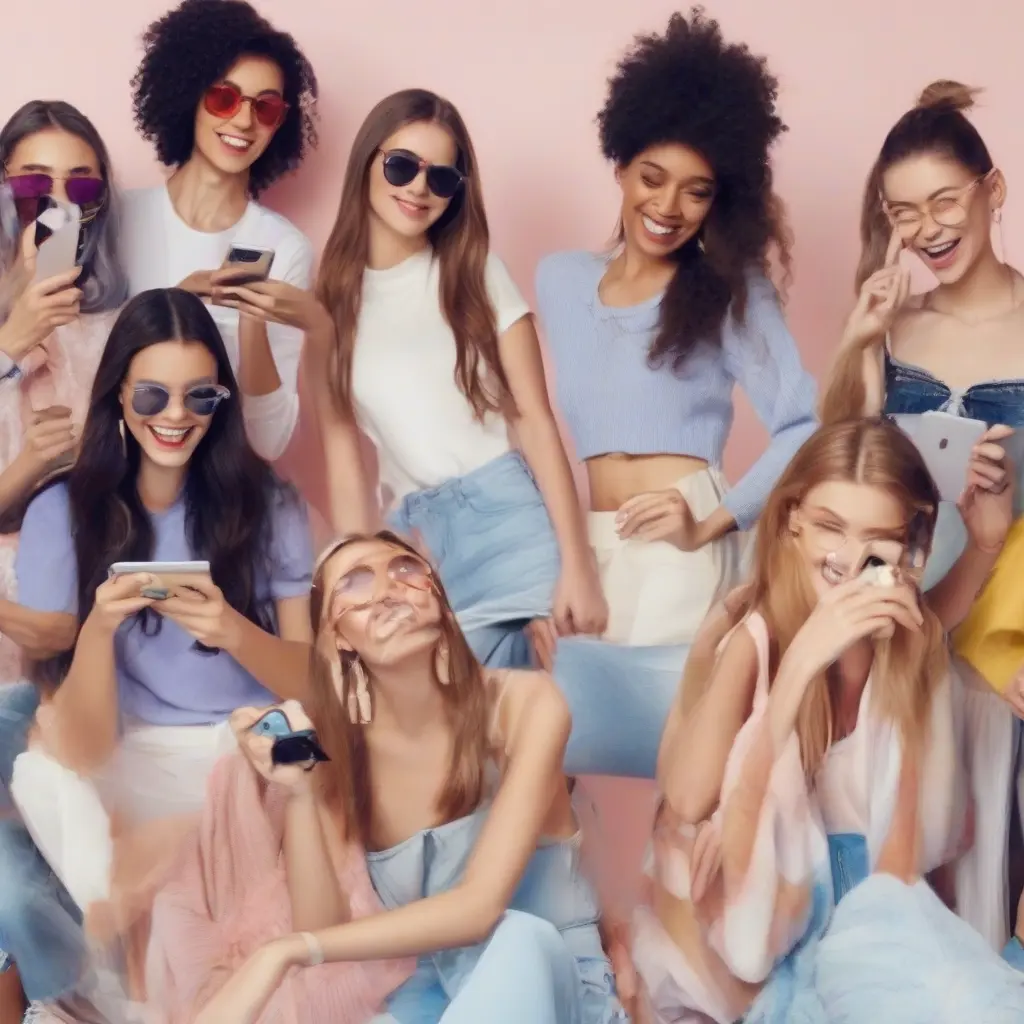
As we delve into 2024, the influence of social media on fashion trends becomes increasingly evident. Platforms like Instagram, TikTok, and Pinterest not only showcase emerging styles but also allow consumers to engage directly with fashion houses and designers. Influencers play a pivotal role in dictating what styles are trendy, creating a feedback loop that shapes brand decisions and consumer buying behaviors. This article explores the multifaceted impact of social media on fashion in 2024, highlighting its role in style innovation, consumerism, and community engagement.
The Rise of Influencer Culture
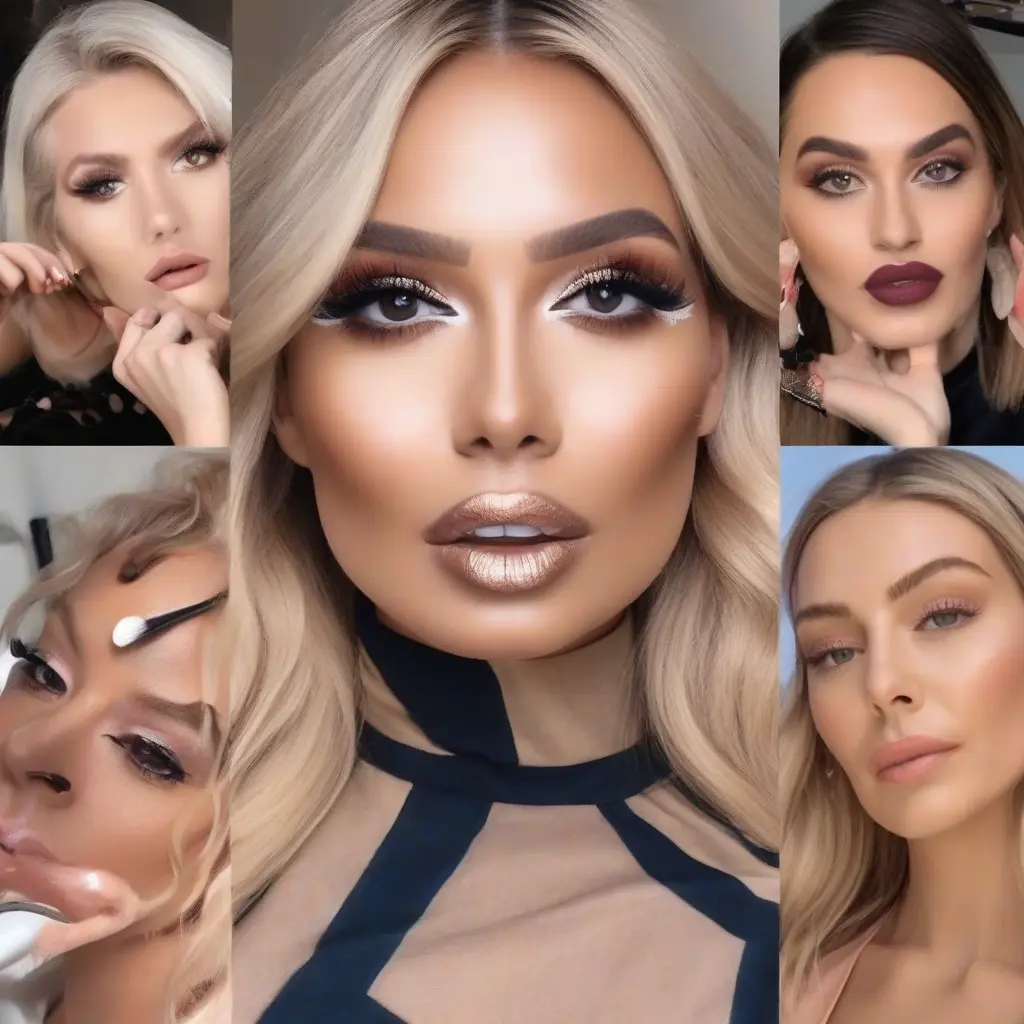
Influencer culture has taken center stage in the fashion industry, particularly in 2024. Social media influencers curate their feeds with the latest styles, thus influencing millions of followers. They often partner with brands, showcasing products through personal stories and authentic engagement. This creates a sense of trust that traditional advertising struggles to achieve. As fashion trends rapidly evolve, influencers act as trendsetters, making them crucial to the industry’s marketing strategies.
User-Generated Content and Fashion
User-generated content (UGC) has become a vital aspect of fashion marketing in 2024. Consumers are now participating in the fashion narrative by sharing their own outfits and styling tips, encouraging brands to engage with their communities. UGC fosters a sense of belonging and authenticity, leading to increased brand loyalty. Moreover, brands often spotlight their customers’ content, creating a two-way dialogue that resonates well with audiences and enhances brand visibility.
Sustainable Fashion on Social Media
Sustainability has emerged as a critical theme in fashion trends portrayed on social media in 2024. With increased awareness of environmental challenges, brands are using platforms to highlight their eco-friendly practices and sustainable collections. Influencers who advocate for sustainable fashion often attract large followings, inspiring consumers to be mindful of their purchasing choices. This shift not only pressures brands to uphold sustainable practices but also educates consumers about ethical fashion.
Real-Time Fashion Trends
The speed at which fashion trends evolve has accelerated due to social media’s real-time capabilities. In 2024, trends can go viral overnight, thanks to platforms like TikTok. This immediacy influences how brands design and market products. Quick turnaround times and fast fashion have fueled a culture of instant gratification, prompting brands to adapt quickly or risk falling behind. This new landscape pushes both brands and consumers to stay constantly engaged with fashion trends.
Diversity and Representation in Fashion
Diversity and representation have gained prominence as vital elements within the fashion industry due to social media advocacy in 2024. Influencers from diverse backgrounds are raising visibility for underrepresented communities. This shift encourages brands to expand their sizing and improve representation in marketing campaigns. Consequently, fashion is becoming more inclusive, fostering a broader understanding of beauty and style that appeals to a more diverse audience.
The Role of Fashion Challenges
Fashion challenges have become a popular trend on social media platforms in 2024, fueling creativity and engagement among users. These challenges encourage participants to showcase their individual style while often adhering to specific themes or prompts. This interactive approach not only highlights unique fashion interpretations but also cultivates community among participants. Brands frequently tap into these challenges for marketing, leveraging the organic engagement they generate and reaching varied audiences.
Virtual Fashion Shows and Streaming
In 2024, virtual fashion shows and live-streaming events have revolutionized how brands showcase their collections. Social media platforms allow designers to connect with global audiences in real-time, making fashion more accessible and interactive. These virtual experiences can feature behind-the-scenes content, interactive Q&A sessions, and instant feedback from viewers. This evolution in presentation not only democratizes fashion but also enhances consumer engagement with brands’ narratives.
Fashion E-Commerce Integration
E-commerce has seen an integration with social media that is reshaping online shopping in 2024. Platforms now feature shoppable posts, allowing users to purchase items directly from their feeds. This seamless shopping experience merges engagement with convenience, driving impulse purchases. As social media continues to influence consumer behavior, brands are building cohesive online strategies that cater to this trend, enhancing sales while capitalizing on their social presence.
The Future of Fashion Trends
Looking ahead, the impact of social media on fashion trends is expected to grow even stronger. Emerging technologies, such as augmented reality and artificial intelligence, may further transform how consumers interact with brands. As online communities evolve, the feedback loop will intensify, compelling brands to be more adaptable. This continuous evolution reflects the dynamic nature of fashion, where social media remains a transformative force for years to come.
Conclusion
In conclusion, social media’s impact on fashion trends in 2024 marks a significant shift in how consumers and brands interact. The importance of influencers, UGC, and real-time engagement has transformed the marketing landscape, promoting diversity and sustainability while fostering community. As we progress, the way fashion is showcased and consumed will continue to evolve, making social media an indispensable element of the fashion industry.