Mastering color coordination is an essential skill for anyone looking to enhance their personal style. The right color combinations can transform outfits, ensuring you look polished and put together. Understanding the principles of color theory, including complementary, analogous, and monochromatic schemes, helps you create harmonious looks that work for any occasion. Whether dressing for work, casual outings, or special events, knowing how to effectively mix and match colors can elevate your wardrobe. This guide provides essential style tips to help you master color coordination and make informed fashion choices.
Understanding Color Theory Basics
Color theory serves as the foundation for effective color coordination. It consists of three main categories: primary, secondary, and tertiary colors. Primary colors—red, blue, and yellow—can be combined to create secondary colors like green, orange, and purple. Tertiary colors arise from mixing primary and secondary, broadening the spectrum of palettes you can use. Familiarizing yourself with the color wheel allows you to easily identify complementary colors, which sit opposite each other and create a striking contrast, as well as analogous colors that harmoniously blend due to their proximity on the wheel.
Complementary Color Schemes
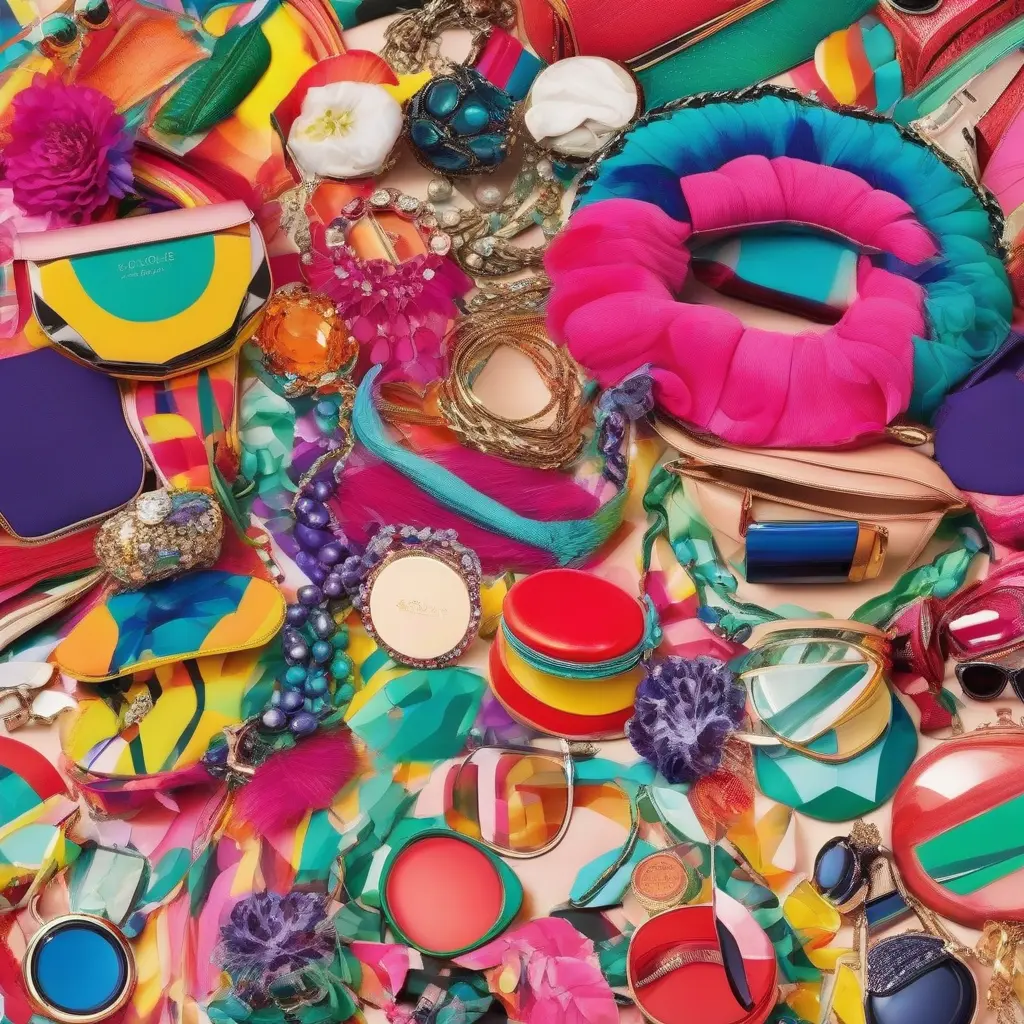
Complementary color schemes involve pairing colors that are opposite each other on the color wheel. This creates a vibrant contrast that can make any outfit stand out. For instance, blue and orange, as well as red and green, are classic complementary pairs that draw the eye. When utilizing this scheme, it’s important to balance the intensity of these colors. You might choose to wear one color as a bold statement while keeping the other as an accent, thereby preventing the outfit from becoming overwhelming and maintaining visual interest.
Analogous Color Combinations
Analogous colors are located next to each other on the color wheel and typically create a serene and cohesive look. These combinations work especially well for layering and are great for casual or formal ensembles alike. An outfit featuring shades of blue, teal, and green can evoke a fresh and inviting appearance, perfect for spring outings. When working with analogous schemes, stick to one dominant color while using the others as accents, which can effectively unify your look and create depth without overwhelming your style.
Monochromatic Outfits
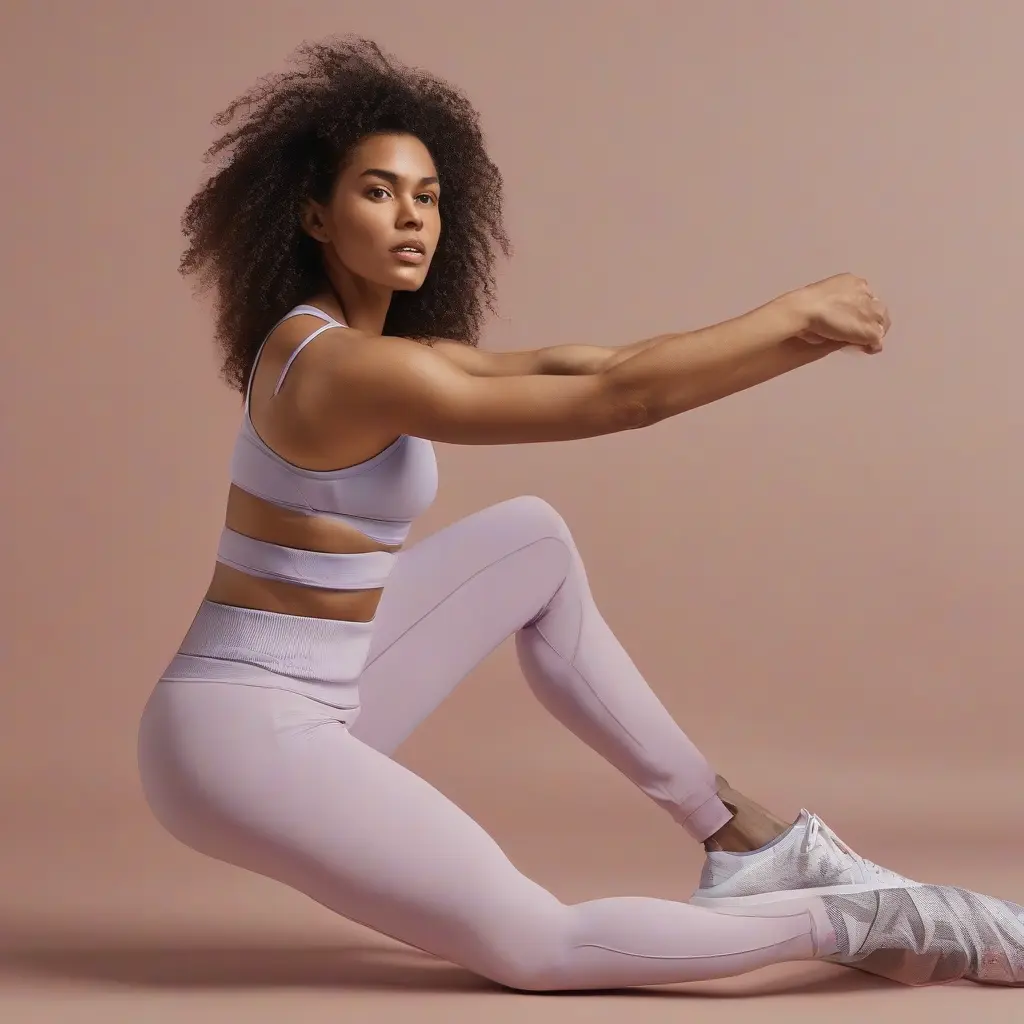
Monochromatic outfits utilize different shades and tints of a single color. This approach can create a sophisticated and streamlined appearance. For example, wearing various shades of gray or brown can give a polished look while allowing for versatility in textures and patterns. When creating a monochromatic outfit, focus on incorporating layers and accessories to add dimension. Use lighter and darker hues to balance out the outfit and keep the look visually engaging, while ensuring the color remains consistent throughout.
Color and Skin Tone
Understanding your skin tone is crucial for successful color coordination. Generally, skin tones are categorized into three main types: warm, cool, and neutral. Warm tones often look best in earthy hues such as reds, yellows, and oranges, while cool tones shine in shades of blues, purples, and greens. Neutral tones can often wear both palettes effectively. Knowing your skin tone helps you to select colors that enhance your natural complexion, ensuring that your outfits radiate confidence and style.
Accessorizing with Color
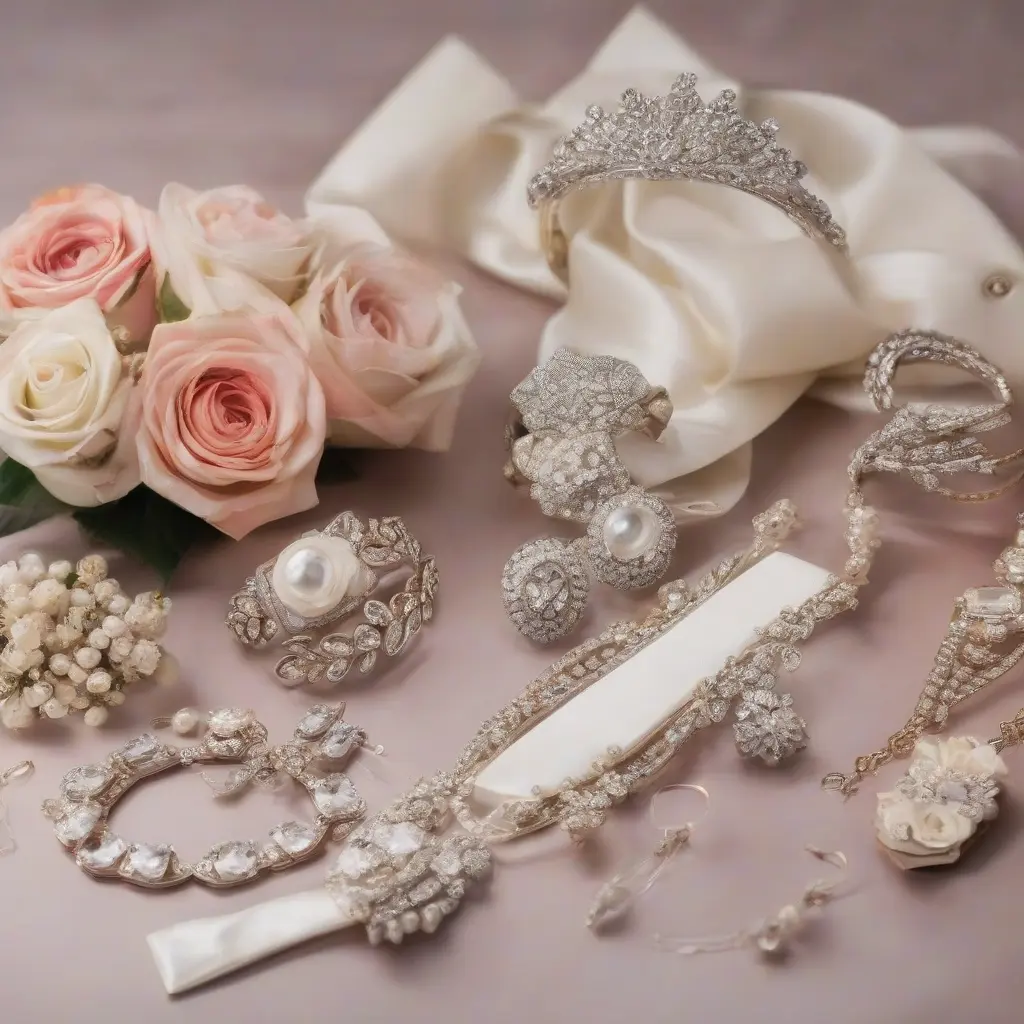
Accessories play a significant role in color coordination, allowing you to introduce contrast or harmony without overwhelming your outfit. Utilizing colorful scarves, bags, or shoes can enhance a more neutral look and provide a pop of color that attracts attention. Likewise, if your outfit is already vibrant, opting for neutral accessories can balance the overall presentation. When accessorizing, consider the color schemes in play; a well-chosen accessory can serve as a focal point, effortlessly elevating your look.
Seasonal Color Trends
Color trends tend to change with the seasons, influencing how you create your outfits. Spring often sees lighter, pastel shades, while summer invites bright, vibrant colors. In contrast, the fall typically showcases rich, warm tones like burgundy and burnt orange, and winter often calls for deep, jewel tones. Staying updated on seasonal color palettes can help you refresh your wardrobe and keep your outfits relevant. When incorporating trends, consider how these colors interact with your established wardrobe to maintain a cohesive style year-round.
Trial and Error
Developing your color coordination skills involves trial and error. Experimenting with different combinations allows you to discover what works best for your style and personal preference. Don’t shy away from taking risks—combining unexpected colors can lead to unique and eye-catching outfits. A simple way to practice is by laying out pieces on your bed or using a color wheel for guidance. By continuously trying new color pairings, you’ll become more comfortable and proficient in your ability to coordinate colors.
Long-Term Wardrobe Planning
Successful color coordination extends beyond individual outfits; it involves planning a long-term wardrobe strategy. Investing in versatile pieces that can mix and match easily within your color scheme can simplify getting dressed. Neutral staples like black, white, and beige can serve as a base for more vibrant colors, making outfit creation easier. Consider designing a capsule wardrobe that highlights key colors you wish to incorporate, allowing for seamless transitions between seasons and occasions while ensuring you always look your best.
Conclusion
Mastering color coordination is a rewarding endeavor that significantly enhances personal style. By understanding color theory and experimenting with different schemes, anyone can create cohesive and eye-catching outfits. Pay attention to how colors interact with your skin tone, choose effective accessories, and remain aware of seasonal trends to keep your wardrobe fresh. Through practice and thoughtful planning, you’ll develop the skills necessary to ensure you always dress with confidence and finesse.